






How did K-pop, born in a small country like South Korea, become music for the world?
K-pop does more than make music: it creates a structure in which fans can make the content that comes next.
K-pop has grown beyond music made in South Korea to become a culture embraced around the world. Its success cannot be explained by music alone. Songs, performances, visuals and other content come together as a single experience, while new stories continue to unfold within each artist’s universe. Fans do more than consume this content: they translate, create and share it, spreading it further. How did K-pop become a culture that moves beyond music and moves alongside its fans?
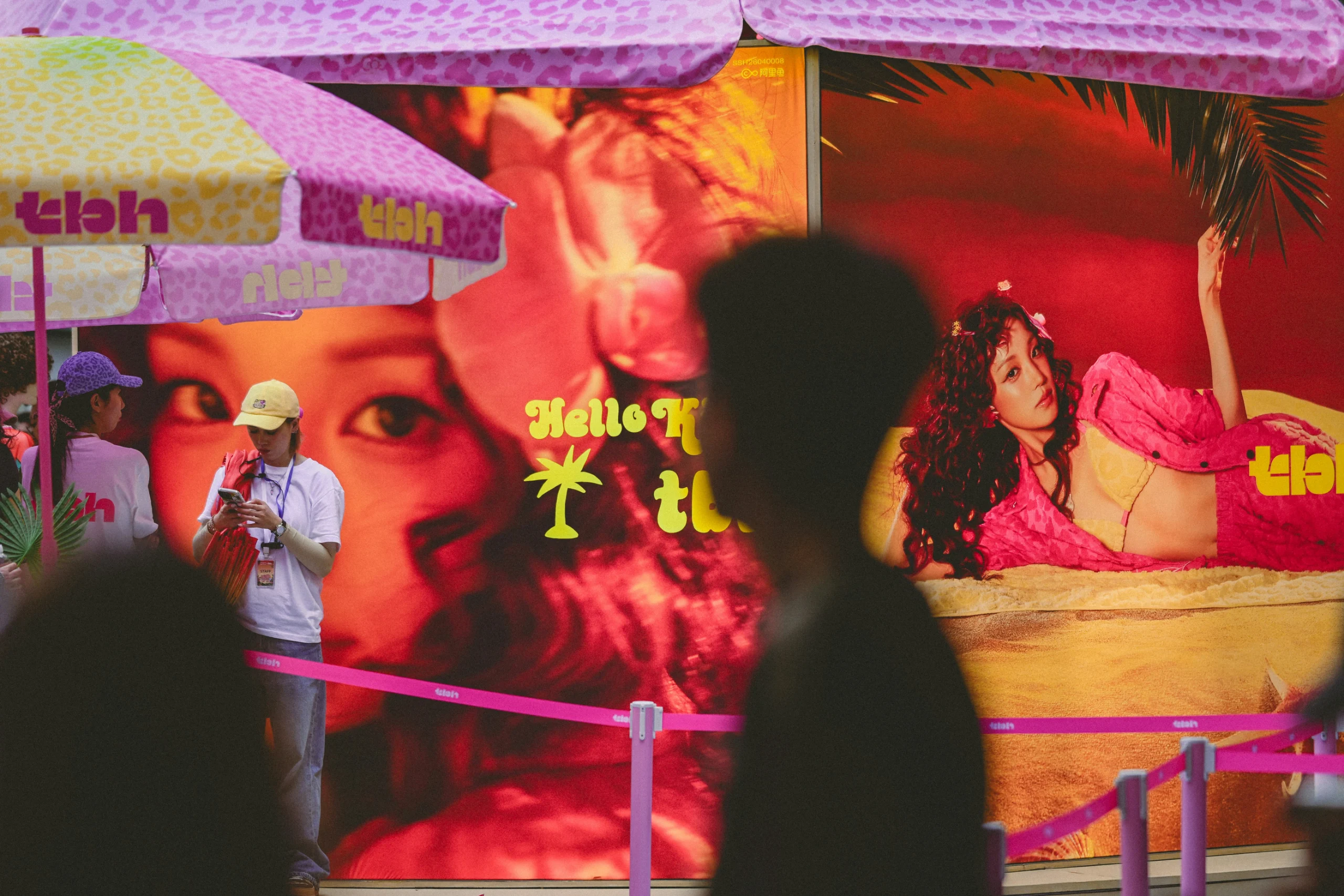
For people who love K-pop, music does not end in one place. They watch teasers before an album comes out, interpret scenes in music videos and seek out new performances. They may revisit fan-made videos and translations as they wait for the next activity. Seen this way, music in K-pop is less a finished product than the starting point for content that keeps unfolding. So where did this structure begin?
Music brings many things into being alongside it.
This is not to say that K-pop is a genre unlike any other. It has drawn on a range of musical influences, including pop, hip-hop and R&B. The difference is that the content around the music keeps unfolding. When a song is released, choreography, a music video, styling and an album concept are created alongside it, while social media and video platforms offer glimpses of the process behind the artists’ activities. Studies of K-pop’s global spread have likewise identified performance, visuals, storytelling and communication through social media as key factors in sustaining fans’ interest and participation. An album in K-pop, then, is not just a collection of music; it is a starting point for a range of content.
It is the next story, rather than a single song, that makes fans curious.
Idols are at the heart of this structure. The members each bring their own individuality and role, while carrying forward the group’s concept and story. One element that stands out is the artist’s universe. It is not a setting confined to a single album or music video. Clues can be scattered across different content, with the story continuing in the next album or video. Rather than viewing each piece of content in isolation, fans look for connections between them. In fact, since BLACKPINK and BTS, this kind of narrative structure has become an important part of K-pop’s self-branding and positioning. By linking multiple pieces of content, it also expands an artist’s musical image into a single story. Ultimately, fans are waiting for more than just a new song. How the story continues on the next album becomes content in its own right.
Fans remake the content.
In K-pop, the role of fans changes. Fans overseas translate Korean lyrics, explain the meaning of content, and create and share dance covers and reaction videos. On social media, fan-made content reaches other fans, who in turn create new content. A look at K-pop fans’ social media activity shows how they use multiple languages, including Korean and English, to interpret and pass along the meaning of content. Fan translations and information-sharing have helped connect communities across linguistic and cultural divides. Fans, then, are not simply on the receiving end of content. By translating, interpreting and creating it anew, they take part in the spread of K-pop.
From passive consumption to participation
As fans’ participation continues, K-pop moves beyond the simple consumption of music. Fandoms grow beyond groups of consumers into communities that follow and participate in artists’ activities. Ultimately, listening to K-pop expands from hearing a single song to continually experiencing and taking part in an artist’s activities.
K-pop’s rise as a global culture does not rest on any one particular musical style. It lies in a structure that expands music into idols, content and stories, and enables fans to participate directly in the process. Content that begins in one place unfolds through an artist’s universe and a range of activities, then becomes something new through fans’ translations, interpretations and creations. In K-pop, then, fans are not the final consumers of content. They are participants who create what comes next. This is the most important reason K-pop has been able to grow beyond music into a culture of its own.