



Why Great IP Makes Us Want to Collect
What makes an IP last is a virtuous cycle in which one piece of content leads consumers to the next.
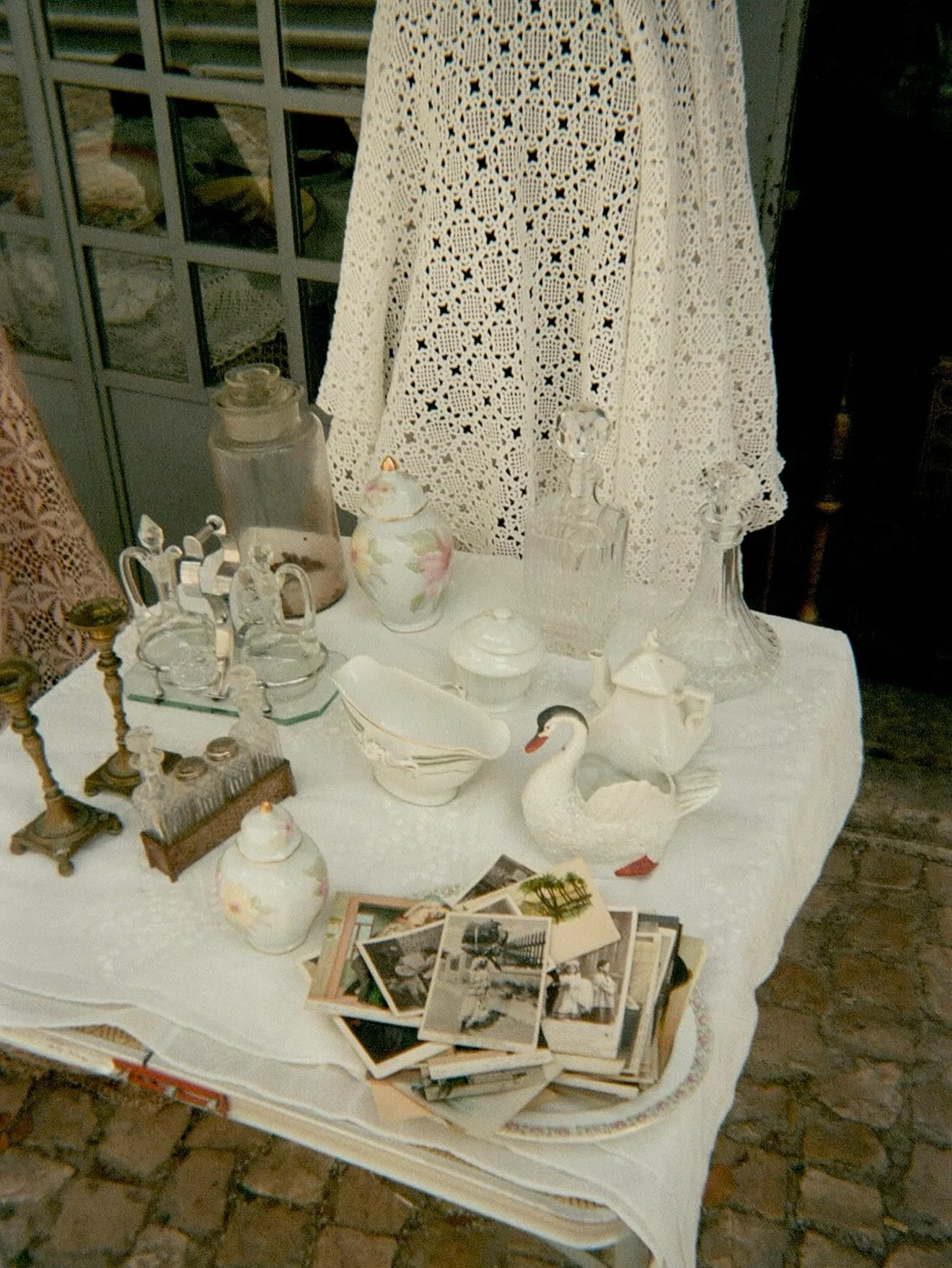
What does it mean to collect? A collection of artifacts becomes a museum; a collection of art becomes a gallery; a collection of books becomes a library. What defines a collection is not simply the act of gathering, but what is gathered. To collect is, at heart, to want to possess. A personal collection that brings pleasure simply by being seen – made up of objects invested with care and affection – can become a source of energy in everyday life. What people choose to collect, however, is shaped by individual taste. In the past, collecting was mainly associated with traditional objects such as fine art, ceramics, and calligraphy. Today, its scope has expanded to include toys, character merchandise, and dolls.
Collecting has become an increasingly important element of intellectual-property businesses, particularly in the content industry. However, amid the flood of content, what makes an IP truly compelling? An IP cannot end with a single piece of content; it needs a system that keeps consumers engaged, wanting more, and returning. Pokémon is a prime example. It is an IP in which collecting forms a central pillar of its narrative.
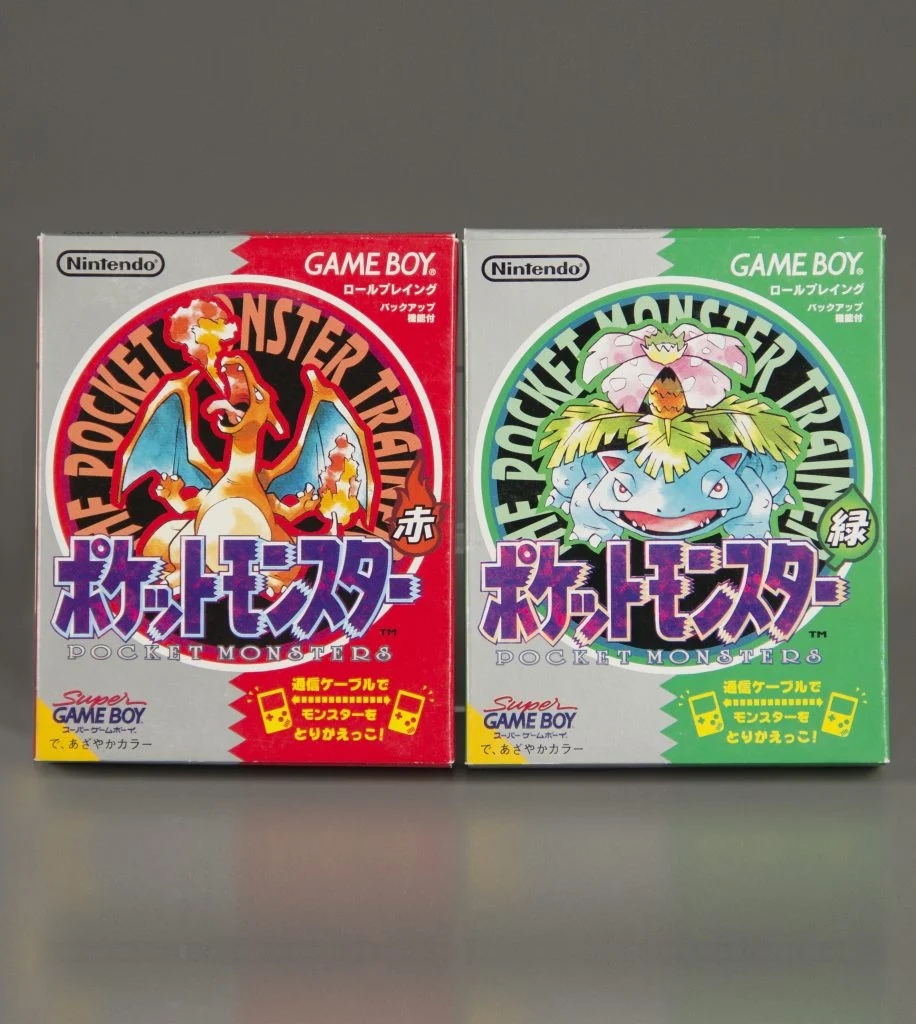
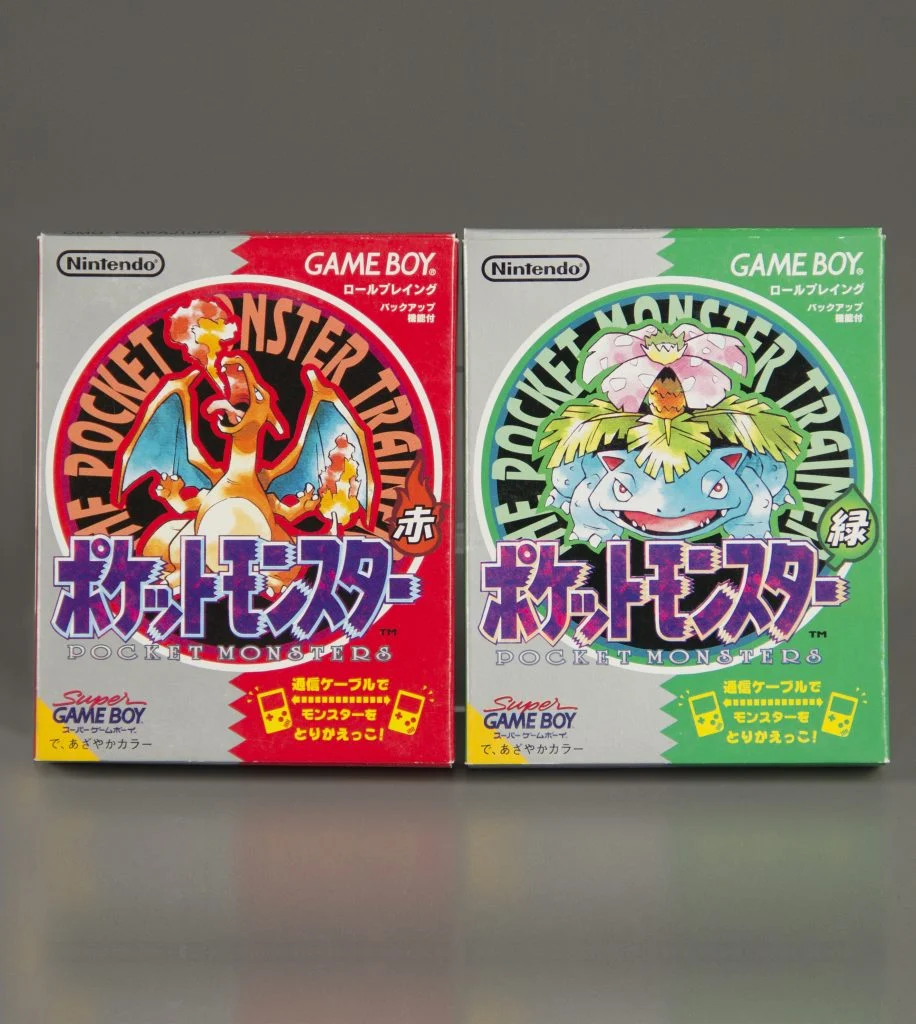
The Pokémon series began with the release of Pokémon Red and Green in 1996. Its name, short for “Pocket Monsters”, reflects the premise at its heart: players travel through towns and the wilderness, catch Pokémon, trade them with friends, and grow alongside them through battle. In other words, Pokémon’s narrative is built around the gathering of creatures within a personal space: the player’s pocket. Crucially, however, this is not collecting in the conventional sense of ownership; it is grounded in companionship and emotional bonds formed between players and Pokémon. At the same time, Pokémon continued to air its animated series, steadily expanding its audience. Viewers who became familiar with the franchise through television often went on to buy the games, while others became core fans without ever playing them. Moreover, in 2016, US augmented-reality game developer Niantic released Pokémon Go for free. By allowing players to catch Pokémon in the real world, the game caused a sensation and created the impression that the boundary between Pokémon and reality was beginning to dissolve.
Because Pokémon spans so many fields, its fans are inevitably fragmented: some people play only video games, while others collect plush toys. Yet behind these different forms of engagement lies a meticulously designed system of consumption. The system works by drawing consumers into a cycle that begins with accessible, low-cost products and gradually leads to bigger commitments. For many, the first point of contact with Pokémon is inexpensive trading cards, stickers, and plush toys — or its free-to-air animated series. As people learn more about the objects they own, curiosity develops into attachment. This, in turn, leads them towards YouTube content or free games such as Pokémon Go. From there, they may begin paying for new movies and games, gradually becoming core fans. What is striking is that this system does not work in only one direction. Core fans return to collecting Pokémon trading cards and create content of their own, introducing more people to the appeal of the franchise. Merchandise promotes games, while the games increase the value of merchandise. Each part of the franchise sustains demand for the others, completing a cycle of consumption.
Just as some Pokémon in the games are rarer or more sought-after than others, certain cards are especially eager to find. Each card is marked with a rarity level, and its illustration changes accordingly. The rarer the card, the more elaborate its illustration and holographic effects, and the higher the price it commands. A promotional card, distributed only at a limited event or awarded to competition winners, can also command high prices. Most recently, a shortage of trading cards has pushed prices up across the board, while the earliest series, which is hard to find, has risen in value to $480,000. Another factor is the growing purchasing power of the generation that came of age with Pokémon in the 1990s and 2000s. Having spent their childhood being told ‘you can buy it when you grow up’, many are now doing exactly that.
In this context, opening and gathering Pokémon cards is about more than owning pieces of printed paper. Bringing a fictional world that once existed only on screen into the private space of one’s room creates a sense of blurring between reality and content. Together with memories of playing games and watching animated series, opening each pack and gradually filling out a catalogue allows fans to feel that their journey as Pokémon Masters is still underway. In this sense, they are collecting not merely a set of cards but a piece of their own past.
Ultimately, the longevity of successful IP depends on more than the visual appeal of its characters or the quality of content. It rests on how deeply the IP can become embedded in people’s lives and how powerfully it can awaken the desire to collect. Collecting Pokémon can be a reconnecting with a more innocent time, while sharing the experience with others can create new and precious memories. The IP industry must consider what kinds of content inspire consumers to build collections of their own.