





How Apple Uses Sound to Communicate Its Products
From pop to jazz, Apple connects the rhythms and emotions of different genres with product features to create a unified experience.
We don’t consciously analyze or listen to music when we watch an ad or walk into a store. But the music we hear can change how a brand feels and the impression it makes. A fast beat creates energy, a powerful performance commands attention, and a gentle vocal conveys emotion. Apple, then, makes active use of music’s qualities in its ads to present product features as an experience. By pairing different genres with products and scenes, it creates a brand experience that goes beyond simply explaining features. So how does Apple use the characteristics of different musical genres to turn them into experiences?
The music we love and the music that suits a brand are not necessarily the same. When a brand chooses music, what matters is not simply picking a good song, but deciding what impression it wants to leave with the public. Genre offers one way to understand that choice. Different elements of music—melody, rhythm, instruments and vocal style—create different listening experiences. Brands can connect those differences to ads, stores and campaigns to create a unified experience. In Apple’s ads, music does not remain in the background; it connects product features with scenes of use.
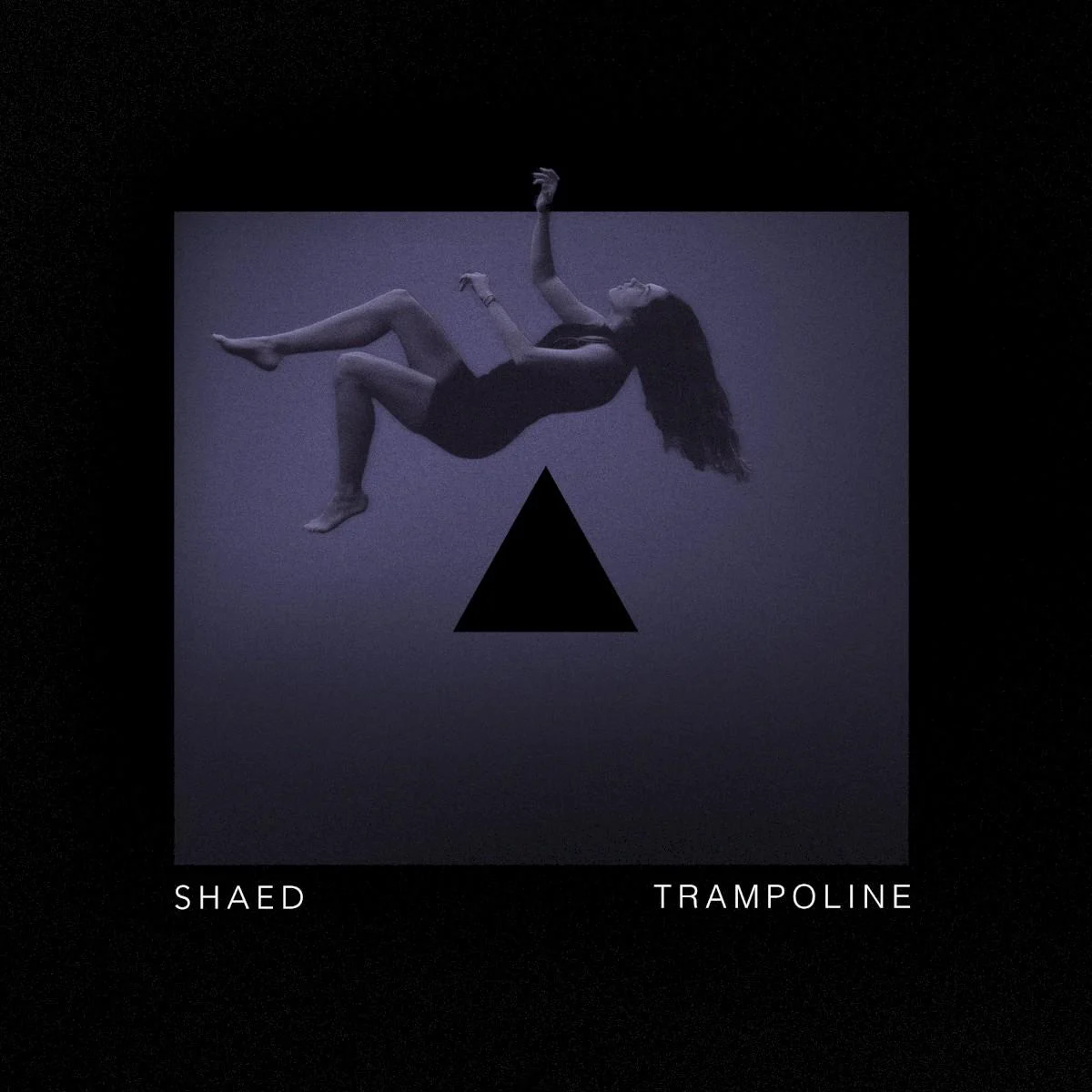
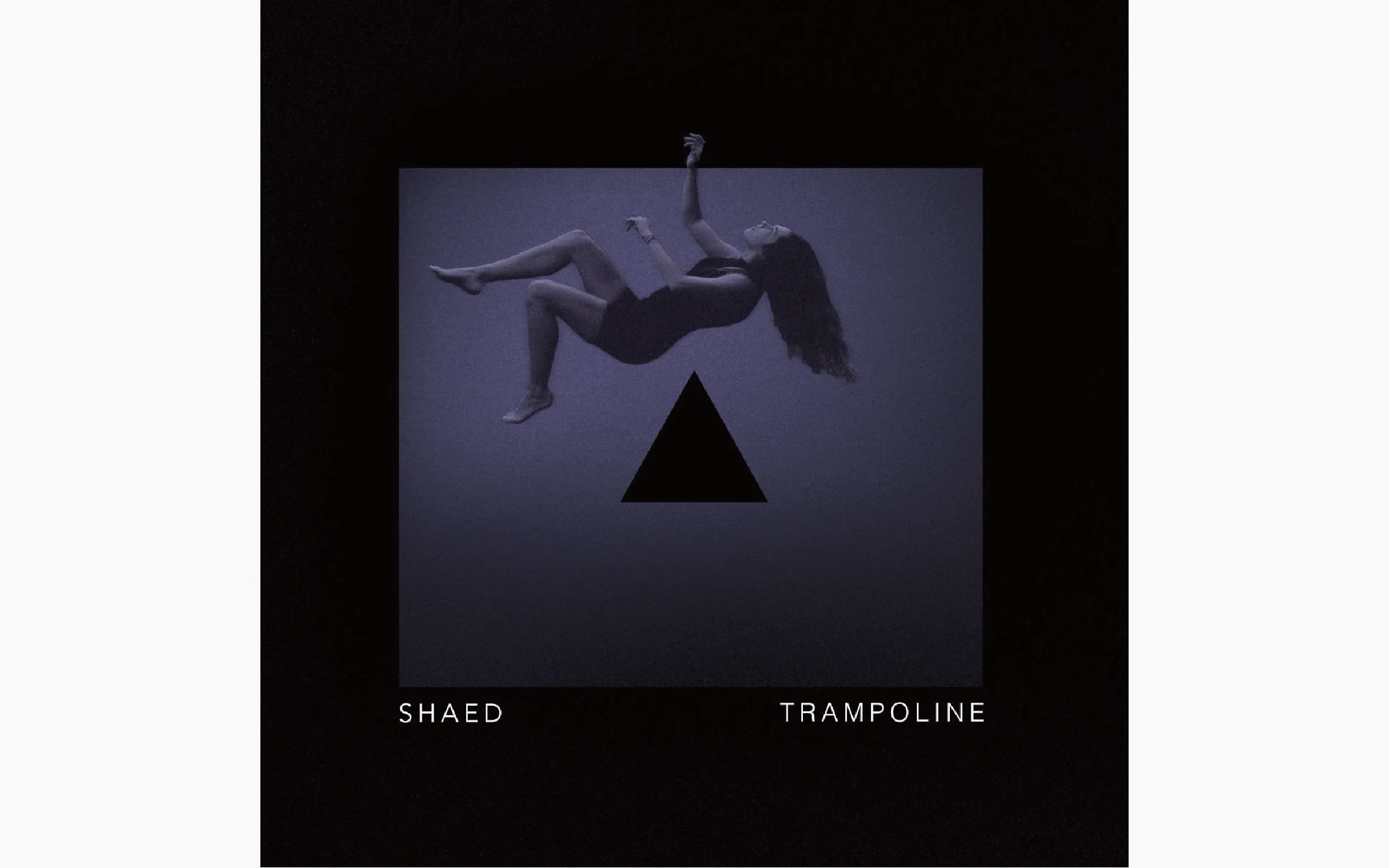
LISTEN, SHAED – Trampoline
MacBook Air ‘Lightness’
POP is a broad category that brings popular music to mind. It has evolved by incorporating elements from a range of musical styles over time. Memorable melodies, recurring choruses and short, clear song structures are common features of pop. Its openness to diverse sounds and ability to reach a broad audience also make it a natural fit for brands seeking to communicate with people across cultures.
Apple uses SHAED’s “Trampoline” in an ad for MacBook Air. The ad’s central message is the product’s slim, lightweight design. “Trampoline” also features light sounds and lyrics that evoke leaping, floating in the air and never coming down. So the pop music in this ad does more than create a bright mood. Its easy-to-follow melody and buoyant imagery connect with the product’s light movement, turning lightness into a more positive and enjoyable experience of use. Rather than explaining the product’s weight, the music makes it feel light and lively.
LISTEN, Jack White – Power of My Love
Apple Watch Series 7 ‘Hard Knocks’
ROCK developed from rock and roll and is characterized by a sound built around electric guitar, bass and drums. Guitar riffs, strong beats and forceful vocals give the songs a distinct energy. The genre evolved under the influence of blues, country and other styles, and later branched into many forms of rock.
“Hard Knocks” for Apple Watch Series 7 shows the product’s durability through a rapid sequence of impacts with balls, water and the ground. Jack White’s “Power of My Love” plays in the background. In particular, the ad syncs scenes of impacts to the song’s beat to emphasize durability. The powerful rock sound and repeated impacts create a shared rhythm, making the Apple Watch’s resilience more immediate to experience.
LISTEN, N.E.R.D., Gucci Mane, Wale – Voila
iPad Pro ‘Change’
HIP-HOP is both a culture and a musical genre that developed in the Bronx, New York, in the 1970s. It grew around DJ breakbeats and sampling, alongside MCs’ rapping, and flourished with other forms of expression such as breakdancing and graffiti. Sampling—taking parts of existing music and recombining them in new ways—and repeated beats are among the genre’s defining musical characteristics.
The iPad Pro “Change” ad presents its updated design and features at a fast pace, accompanied by “Voila” by N.E.R.D., Gucci Mane and Wale. Alongside the message “The biggest change to iPad since iPad,” the ad rapidly showcases the new features. The word “Voila” recurs in the song, and the screen cuts quickly each time a new feature appears. The repetitive hip-hop beat combines with the ad’s pace as it moves through the product’s changes, making the new iPad Pro feel more dynamic.
LISTEN, Marian Hill – Down
AirPods ‘Stroll’
R&B is short for Rhythm & Blues, a term that emerged in the 1940s to describe African American music. Early R&B was influenced by blues, jazz, gospel and pop, and was characterized by a strong backbeat, rhythmic drive and vocals that expressed emotion directly. It later influenced genres including soul and pop, evolving into many different forms.
In the AirPods “Stroll” ad, a dancer moves freely through the city as Marian Hill’s “Down” plays. The moment the dancer puts on AirPods, the city’s everyday noise disappears, and the scenes continue with the dancer absorbed in the music. When the AirPods come out, the sounds of the city return, bringing the dancer back to reality. The continuous structure of music and performance emphasizes the experience of listening wirelessly while feeling separate from the surrounding environment. “Down” connects the scenes of immersion in music through AirPods.

LISTEN, FKJ – Tui
iPhone ‘The Backdrop
JAZZ developed in the United States in the early 20th century, with improvisation as one of its defining features. Because musicians create solos in the moment and build the music through exchanges with one another, the same piece can sound different depending on the performers and the circumstances. Rhythms and techniques such as swing, syncopation and blue notes are also common in jazz.
The Backdrop, an ad for the iPhone XS and XR, shows a complex New York scene being photographed, then uses depth control to blur the background and draw attention to the subject. FKJ’s “Tui” provides the soundtrack. FKJ’s music blends electronic sounds with elements of jazz, funk and soul. The ad, too, lets users recompose an image by adjusting the degree of focus they want, rather than simply showing the background as it is. The mix of musical elements meets a feature that lets users adjust the image themselves, offering an experience of creating a personal image instead of simply capturing a fixed scene.
We don’t usually think about genre first when we listen to music. For a brand, choosing music is not simply a matter of picking a good song. It is closer to transforming the sounds and qualities of a genre into the experience the brand wants to create. The next time you hear music in an ad or walk into a store, listen for its genre rather than looking up the song title. Why this genre, of all choices? Following that question may help you discover how music that once seemed ordinary connects a brand’s products with the experience around them.