




Why Do We Want to Leave the Screen?
The future of travel isn't about choosing between technology and reality; it's about using technology to move people and bring them back through real-life experiences.
The development of the internet and social media has not reduced travel. Instead, it has helped people discover new destinations that match their personal interests and encouraged them to experience those places in person. We have now entered an era in which virtual reality and AI allow us to experience destinations indirectly, yet people still want to see, hear, and feel the spaces beyond the screen for themselves. No matter how advanced technology becomes, digital content can never fully reproduce sensation and authenticity. This difference will become an important competitive advantage in the travel industry of the future. If social media is the starting point that stimulates consumers’ desire to travel, real-life experiences are what satisfy that desire and give them a reason to come back.
As the internet continues to advance, will we really travel less?
When the internet was first becoming widely available, some futurists predicted that technological development would reduce the travel demand. According to statistics from the World Tourism Organization, 520 million people traveled internationally in 1995, before the widespread adoption of the internet. By 2016, that number had more than doubled to 1.24 billion. Rather than reducing travel, these figures suggest that humanity has become even more eager to travel and move around the world. Today, travel is no longer simply about visiting famous landmarks. Through the internet, people can share and discover their aesthetic preferences, making “taste-based travel,” in which travelers follow in the footsteps of people who share similar tastes, increasingly important. Social media has not only served to prevent people from traveling. Instead of visiting Japan simply to see the famous Tokyo Tower or the Glico Running Man in Osaka, more travelers have begun visiting Matsue, a city known for its quiet and peaceful local charm away from the crowds of major cities. These travelers see photographs online filled with natural beauty and peaceful scenery and then book a flight. We cannot simply ignore the positive role of social media as a medium that helps people discover their individual interests and preferences.
In 2026, social has evolved beyond photo sharing into real-time immersive virtual experiences, or Virtual Tourism, and AI-powered personalized curation. We now live in a world where we can indirectly visit places we have always wanted to see without even leaving the comfort of our homes. Yet humans continue to travel. We still want to see things with our own eyes and experience them for ourselves.
Why?
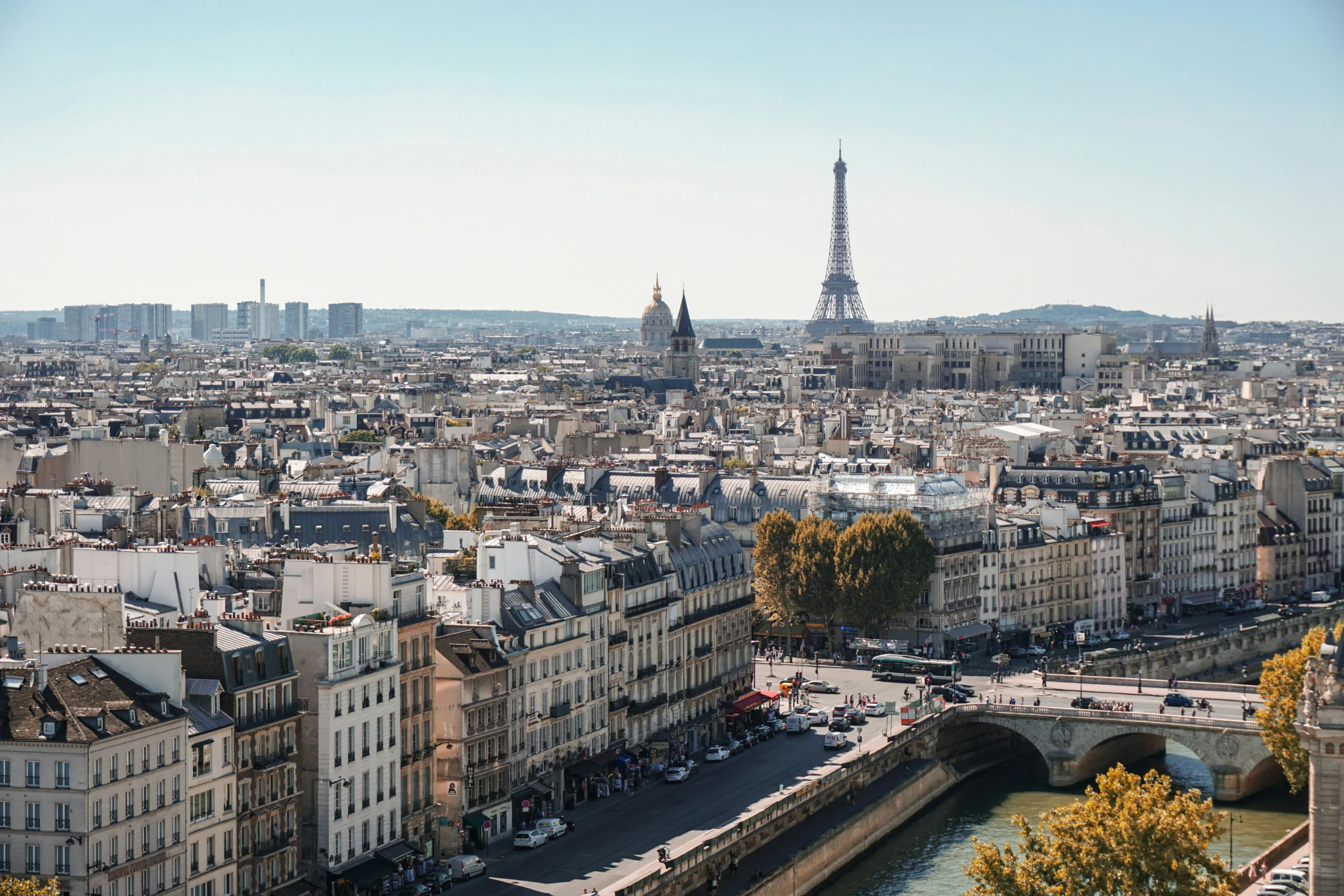
Perhaps humans have an inherent desire to experience the world. The philosopher Gabriel Marcel defined human beings as “Homo Viator,” meaning “the traveling human.” Rather than remaining in one place for an extended period, humans have continued to move, experience unfamiliar environments, and discover new aspects of ourselves along the way. A screen can show us a place and its atmosphere, but it cannot completely transport our own physical presence into that space. For example, looking at a photograph of the Eiffel Tower in Paris and observing the Eiffel Tower are entirely different experiences. A photograph can capture the aesthetic beauty of the Eiffel Tower, but it cannot convey the conversations of local Parisians nearby, the sound of bicycles passing by, or even the warm, moist scent of fresh bread drifting through the streets. What cannot be transmitted through a screen may become an important competitive advantage in the future of the travel industry.
Ultimately, the key to creating a sustainable business can be found beyond the screen. Social media can bring people to the doorstep through “travel that is seen,” but the power that makes them return comes only from “travel that is experienced.” Some elements can never be edited onto a screen: the unique scent of a city, the music that creates the atmosphere of a space, and even the kind service that makes a long wait feel worthwhile. These moments of lived experience play an important role in making people want to leave again and keep travelling. When travelers move beyond indirectly experiencing a destination through the virtual world and become active participants in the vivid reality of the place, that moment of genuine presence can become an irreplaceable business asset: authenticity. The decisive moment when travelers directly experience what they could not discover within a rectangular frame is what ultimately encourages consumers to open their wallets and invest their time.
Great businesses do not simply create spaces that contain beautiful and visually appealing images. They design connections that remain in travelers’ lives long after the trip is over. Social media is a convenient and intelligent catalyst, but it is difficult for it to become the main course. For perceptive planners who create something out of nothing, the starting point has become capturing the atmosphere of a place and delivering its vividness to consumers. The moment when consumers put down their phones, become overwhelmed by reality, fully experience the atmosphere of a place, and quietly say, “I want to come back again.” That is the moment when “the fantasy that is seen” transforms into “the reality that is experienced,” and within that turning point lies the sustainable future of the travel industry.
Ultimately, the development of the internet does not mean that human travel will disappear. In fact, the more technology advances, the more clearly we may discover the value of experiences that cannot be obtained through a screen. The travel industry of the future must focus not only on how beautiful an image they can show, but also on what consumers can feel and remember while spending time in a space. Social media and AI can become powerful tools that lead consumers to a destination, but what remains in their hearts is not the image on the screen. It is the connection to the senses that can only be experienced in the real world. Ultimately, the future of travel is not about choosing between technology and reality, but about using technology to move people and bringing them back through real-life experiences. And in that moment, travel becomes more than simple consumption—it becomes an experience that stays in our memories.