



Design Miami: what every designer should know
At Design Miami, the next direction in design lies not in new forms, but in values coming back into focus.
When looking for design trends, it is easy to start with new colours or forms. But the direction of a year cannot be read from the works alone. Look at which galleries are presenting what, and which materials and techniques are reappearing, and you can see how the way we view design is changing. Founded in 2005, Design Miami is a design fair that brings historic 20th-century design and contemporary collectible design—design treated like work to be collected and appreciated—together in one place. Here, we look at which designs are being chosen this year and what is drawing attention among them.
A slightly different place to look at design.
At Design Miami, furniture, lighting and objects catch the eye first. But look a little closer, and what stands out just as much as the works is what has been selected and how it is presented. Unlike a conventional product exhibition, Design Miami presents historic 20th-century design alongside contemporary design. Each gallery arranges its works as an exhibition, and every piece on show undergoes a separate vetting process. So even the same chair or light can take on a different meaning depending on where it is shown and whose work it is presented as. Some galleries revisit older designs; others show work that experiments with new materials and methods of making. What Design Miami reveals is not just the trend for an individual work, but also which designs are being chosen now—and what values those choices bring with them.
What matters again, beyond new forms.
Looking at the 2026 gallery programme, a shared current emerges among works that otherwise differ. Boccara Gallery presents 20th-century tapestries alongside traditional French weaving techniques. Thomsen Gallery shows Japanese bamboo craft in the context of contemporary design, while Carpenters Workshop Gallery presents work that crosses the boundaries of art, design and craft. The works have different designs. What matters instead is what they are made of and how they are made—an important part of seeing them in a broader light. These works also offer a slightly different way of looking at design trends. They encourage us to look beyond the search for new forms and consider how existing materials and techniques are being used again. For designers, this distinction matters. Rather than simply following finished results, understanding why a particular approach is attracting attention again now can change where the next project begins.
In December, seeing it in person in Miami.
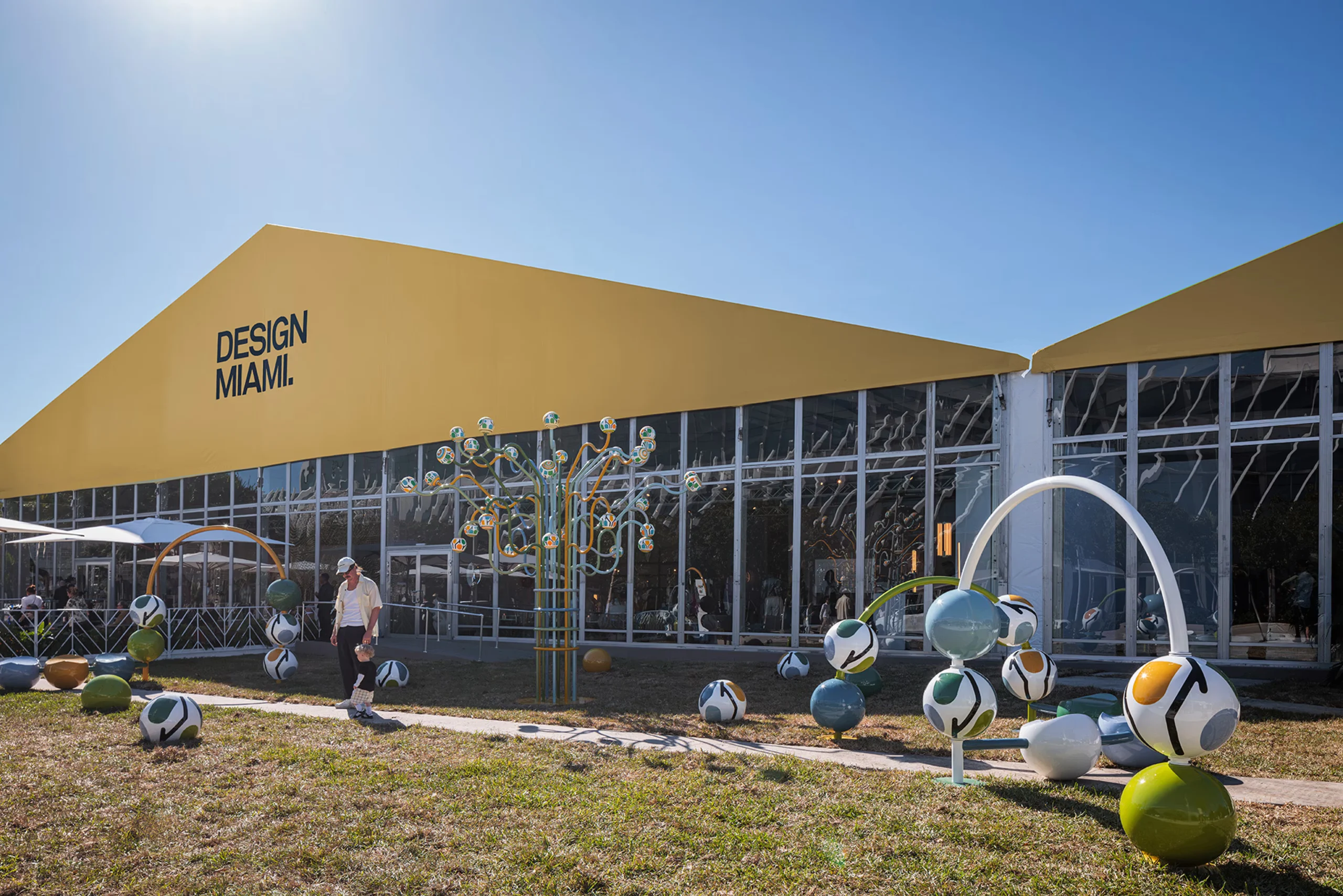
Design Miami 2026 takes place in Miami Beach from December 1 to 6. Now in its 22nd year, its theme is Unveiling. It invites visitors to look beyond the outward appearance of a work and explore the ideas, techniques and cultural context behind it. At Curio, for example, designers, architects and curators present installations that develop a single theme across an entire space. Rather than looking at one work in isolation, this programme lets visitors see how light, materials and space work together, and experience the stories behind the work. It offers a way to consider not only the finished result, but also the processes and contexts in which the work was made. At this year’s Design Miami, following a single work—where it came from, what it is made of and why it is being shown now—may leave a stronger impression than rushing past a large number of works.
Design Miami is worth seeing for more than the chance to discover new design first. The next direction in design may be read less in new shapes than in what people are beginning to value again. So, when considering what comes next, rather than starting with fashionable forms, it may be worth asking what we have taken for granted until now that deserves another look. The next direction in design, still waiting to be made, may begin with that choice.