Why Did Blue Bottle Choose a Hanok?
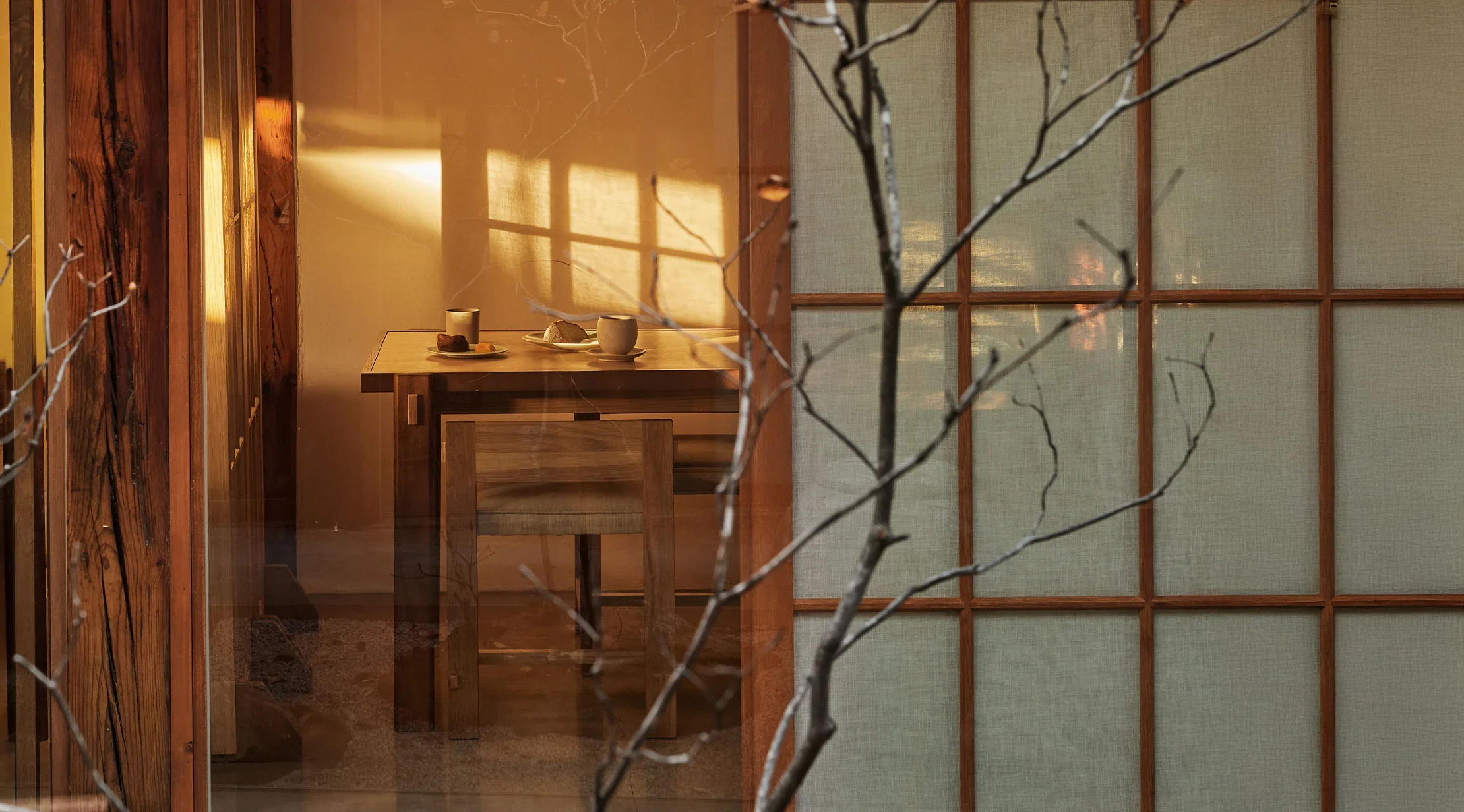
A coffee experience found only at Blue Bottle Samcheong: rather than simply recreating tradition, it reinterprets the character of Sogyeok-dong and the aesthetics of the hanok in Blue Bottle’s own way.
What we consume at a café is not just coffee. The moment we first step inside, we experience the atmosphere and design of the space. A café’s space, then, is not merely a backdrop for coffee; it becomes another way to convey a brand’s values and image. Blue Bottle Samcheong Hanok found that way in the hanok. But it did not simply reproduce the traditional form of a hanok. Drawing on the character of Sogyeok-dong and the qualities of the hanok, it reconfigured the space in Blue Bottle’s own way. Why did Blue Bottle choose a hanok, and how did it turn this space into a brand experience?
From stepping into the café and choosing a seat to looking around, waiting for coffee and lingering over a cup, every moment flows into a single experience. Blue Bottle Samcheong Hanok is an example of how this experience has been reimagined through the space of a hanok. The café presents itself as a space where Korean aesthetics and contemporary craftsmanship come together. So why did Blue Bottle choose a hanok instead of a conventional modern store? And how did it make that hanok a brand space of its own?
1. Why a hanok?
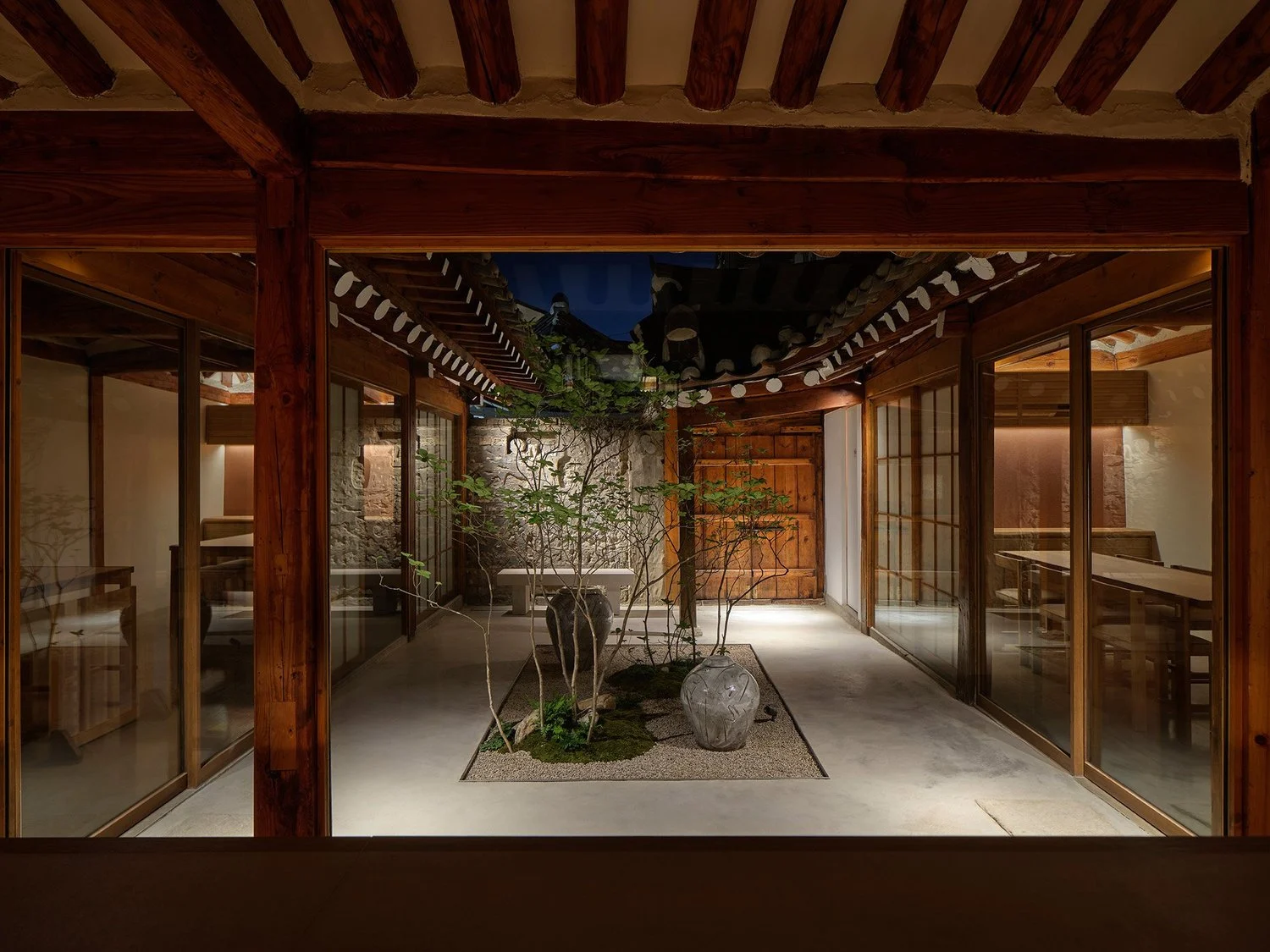
Sogyeok-dong, where Samcheong Hanok is located, is a neighborhood where old hanok houses and alleyways remain. At the same time, museums, galleries and new commercial spaces coexist here, bringing past and present cultures together. Completed in collaboration with designer Taeo Yang, Blue Bottle Samcheong Hanok considers the evolving form of the urban hanok, shaped over time, as a design context for visitors to experience, rather than simply recreating a hanok from the Joseon dynasty. Instead of overlaying an old space with the image of a new brand, the design takes the character of Sogyeok-dong and the traces of time as its starting point. The hanok is more than a backdrop for coffee: the atmosphere of the place itself is woven into the Blue Bottle experience, shaping the setting in which customers enjoy its coffee.
2. Transforming a hanok into a Blue Bottle space
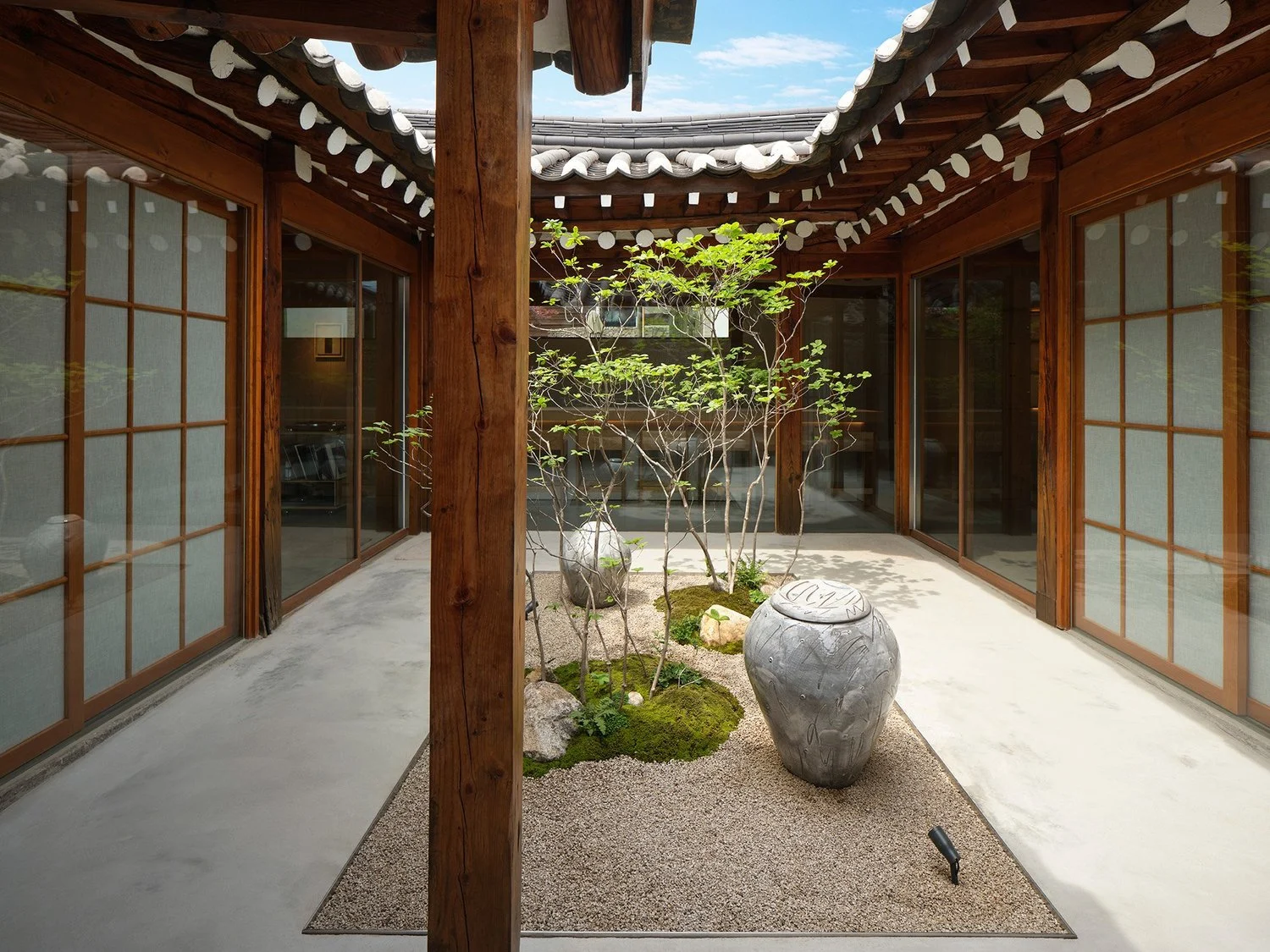
At Samcheong Hanok, it is small vignettes that shape the interpretation of the space. Beyond the main gate, a courtyard brings together earth, wood and stepping stones. There, an onggi jar in buncheong ware by ceramic artist Jun-ho Yoon is on display. In introducing the space, Blue Bottle presents the courtyard, where these elements come together, as an experience in its own right. Seen alone, the buncheong jar is a craft object; in the courtyard, it becomes part of a scene alongside the earth, wood and stepping stones. No single element takes center stage; instead, each serves as a backdrop for the others. This arrangement keeps visitors from taking in the space all at once. Rather than reproducing the hanok as an image of tradition, it reconfigures the materials and spatial sensibility within it in Blue Bottle’s own way.
3. So the way we experience coffee changes, too
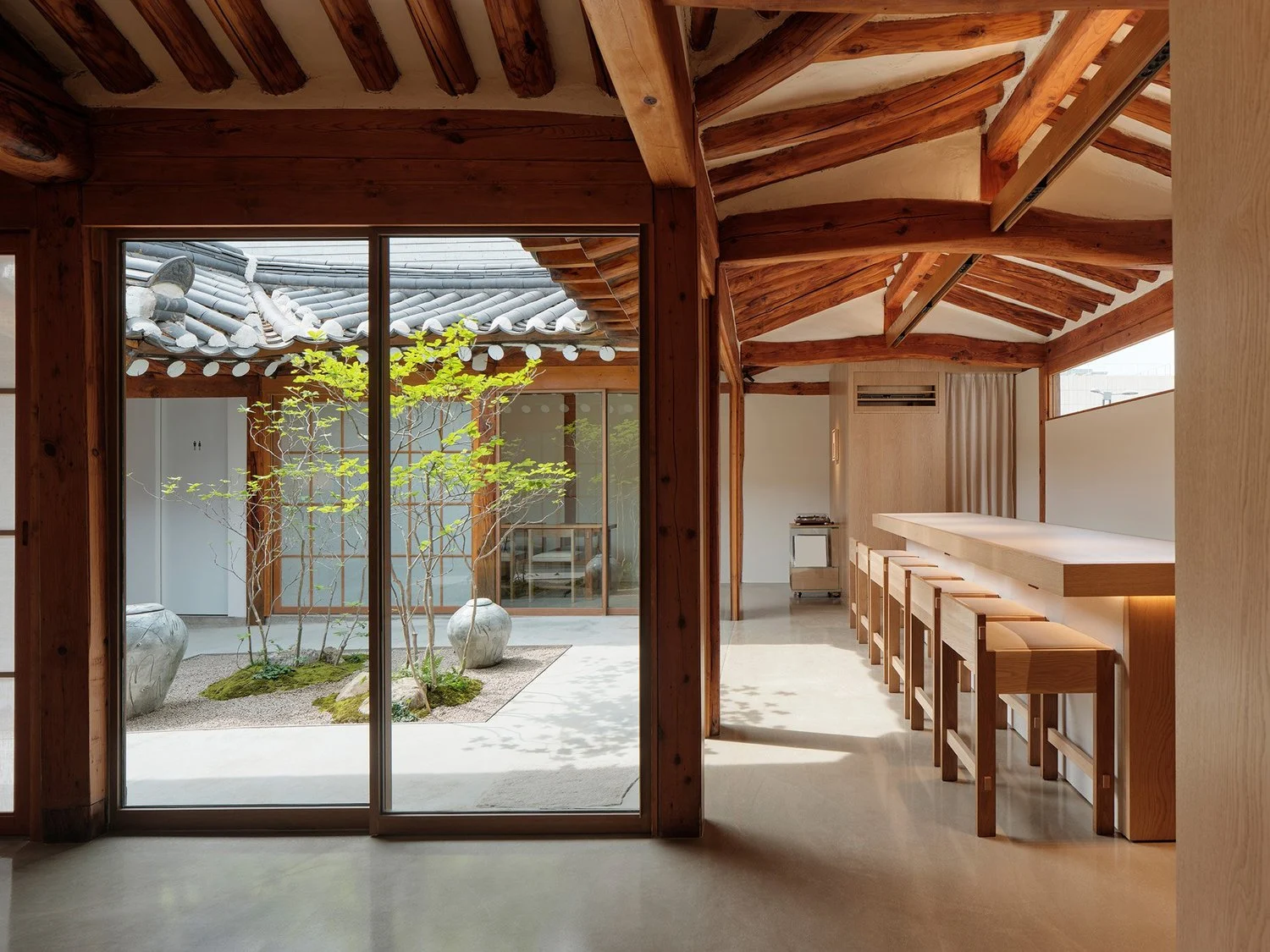
At Samcheong Hanok, small windows frame glimpses of the sky and trees outside, bringing in fragments of the landscape, like shadows cast across the roof tiles. Instead of revealing the view all at once through large windows, the design lets only part of it into the space, creating points where the eye can rest. As visitors drink their coffee, they may pause to look out the window, then turn their gaze back to the cup and notice the changing light. Here, the window is more than an architectural feature that shows the outside; it guides the drinker’s gaze elsewhere for a moment. The time spent in the space follows the same rhythm. The experience is arranged to unfold over about 90 minutes, with coffee, drinks and desserts. It begins with a welcome tea, then moves through coffee, other drinks and dessert, allowing the time spent in the space to flow as a single sequence. Together with looking around and lingering, these moments become part of the experience. Ultimately, design shapes more than the appearance of a space. It also changes how customers see the brand, spend time there and experience its coffee.
Blue Bottle did not choose a hanok to showcase a Korean image. It chose a place that already had a story, reinterpreted its qualities through Blue Bottle’s design language and turned them into a brand experience. The essence of Samcheong Hanok, then, is not simply that it is a well-designed café in a hanok. It lies in turning the story of an existing place into an experience unique to the brand.