
How can music be made visible?
Music begins with sound, but sound alone does not determine how it is remembered. Sometimes music takes on other forms and becomes a new kind of experience.
When we think of music we love, it is not just the songs that come to mind. There are images we remember alongside the music: an album’s design, a moment onstage, or an artist’s distinctive logo. When music meets design, it expands from something we hear into something we can see, own and experience. Following examples of music taking on other forms, we explore how the ways we remember and experience music are changing.
We listen to music with our ears. But when we think of music that has stayed with us, somehow it is not just the sound of the song that remains. We may remember opening an album for the first time, the stage where the artists performed, or a logo recognizable even from a distance—all alongside the song. Even after the music ends, it continues to live in our memory in other forms. So rather than the music itself, we will look at how it appears before us.
Breaking the Album Mold
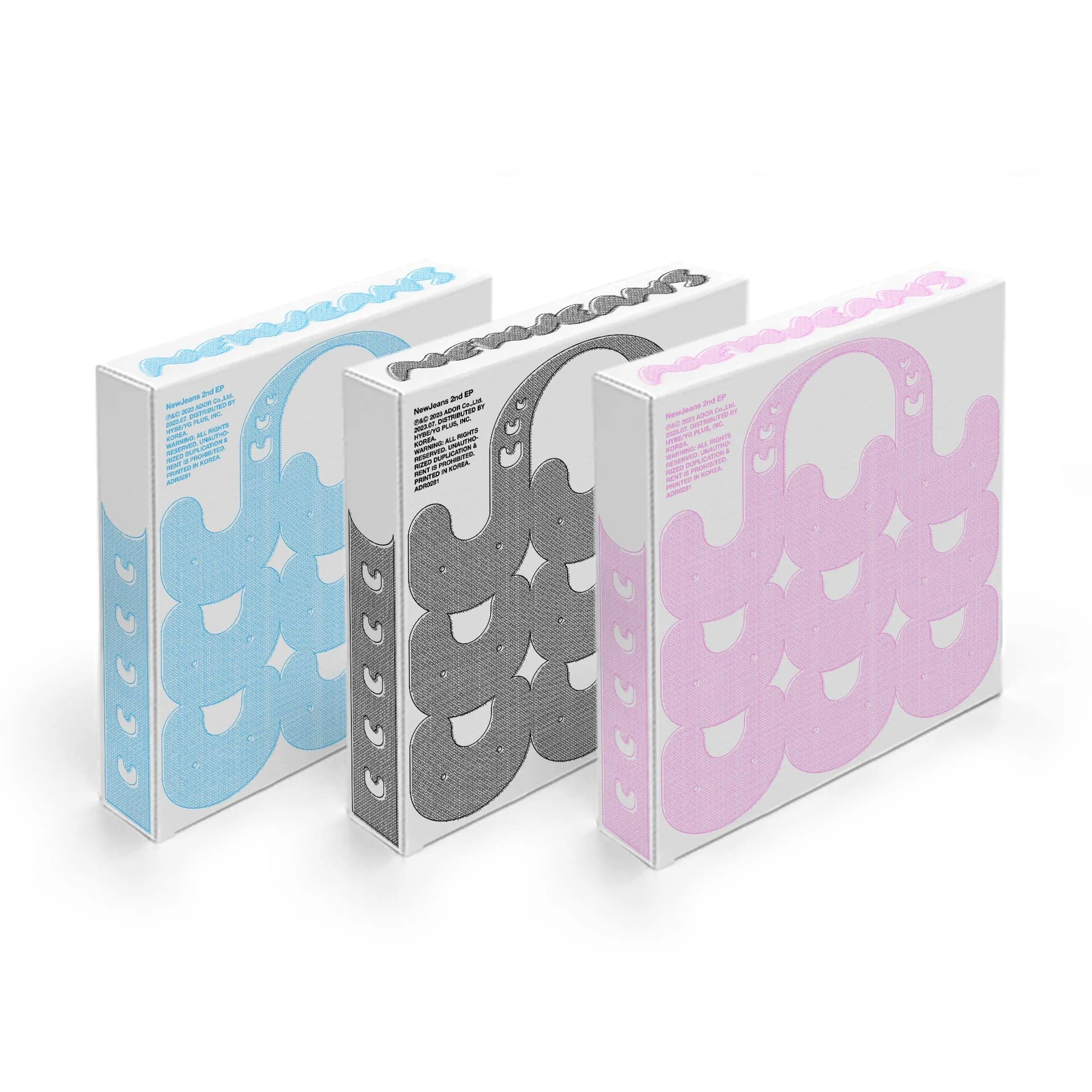
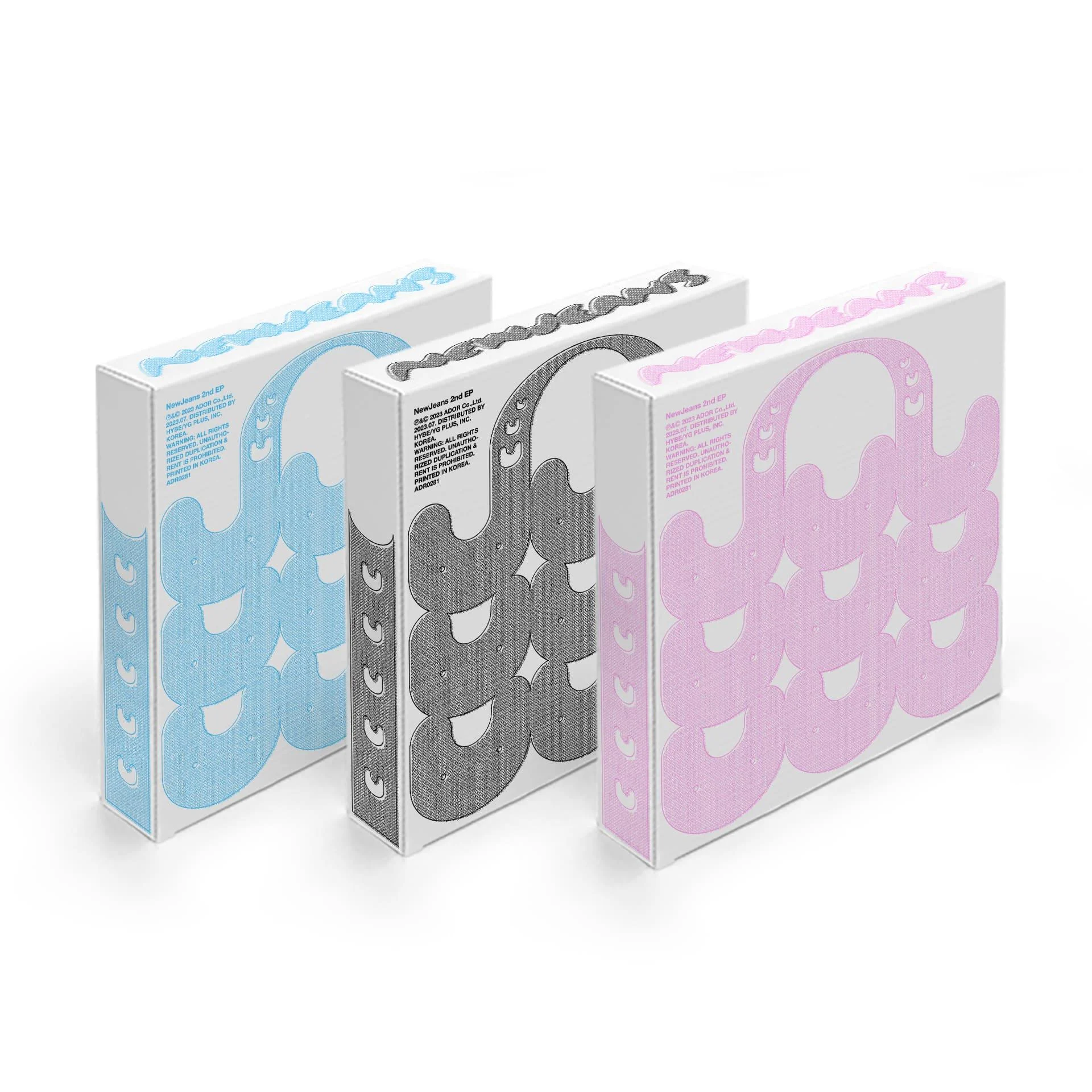
NewJeans’ album packaging prompts a question before we even think about the CD or photocards: Where can I use this? The 2023 Get Up Bunny Bag version was made in the form of an actual bag, true to its name. Inside are a CD, photobook, lyric sheet, photocards and more. When we buy an album, we usually listen to the music and display the packaging on a shelf. NewJeans’ album packaging was different. You could take it out with you or use it like any other bag. What sets NewJeans apart is not what else they put inside the album, but what they made the album itself. It turns the experience of owning music into something for everyday use. The album is no longer just a container for music; it becomes an object that brings the music’s imagery into daily life.
Should the Stage Be a Backdrop for the Music?
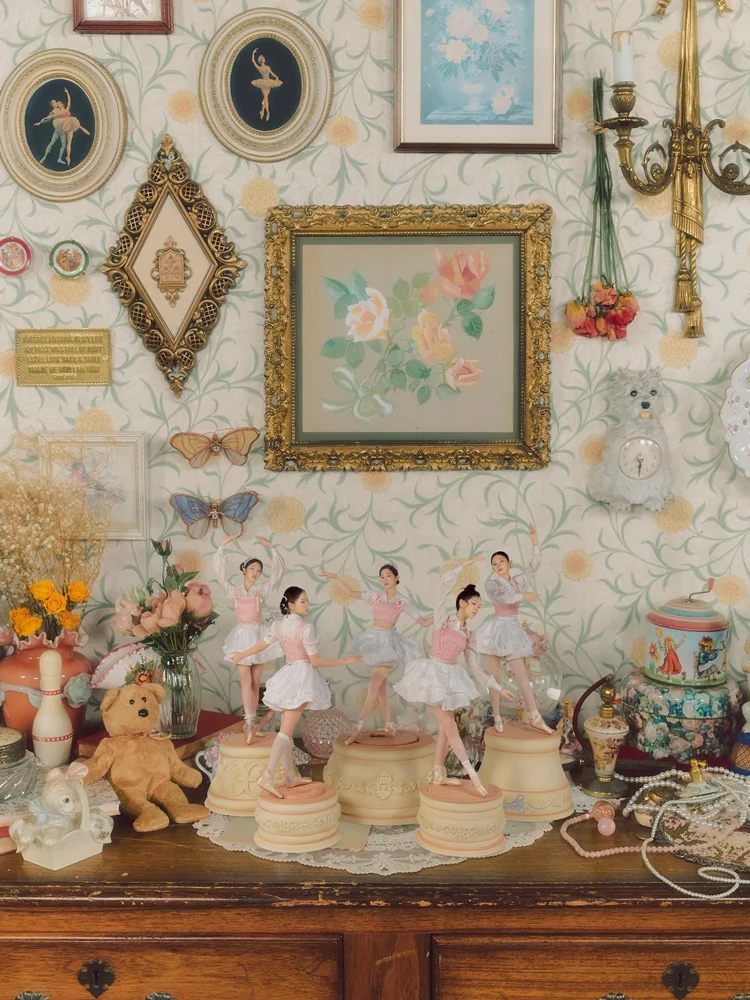
Watching Red Velvet perform “Feel My Rhythm” can feel less like listening to a song than looking at a painting on display, or a work of art. The track samples Bach’s “Air on the G String,” layering over the music imagery that evokes classical paintings. The music video, performance clips and costumes all visually carry through the musical concept of “old and classic.” Here, the stage is more than a pretty backdrop behind the song. It brings to life before our eyes the classical, unfamiliar world that takes shape in our minds as we listen. So watching “Feel My Rhythm” onstage feels less like music being explained visually and more like briefly stepping into the world within the song. It is the moment the stage shifts from a backdrop for the music to part of the music itself.
When Promotion Makes Us See the Music
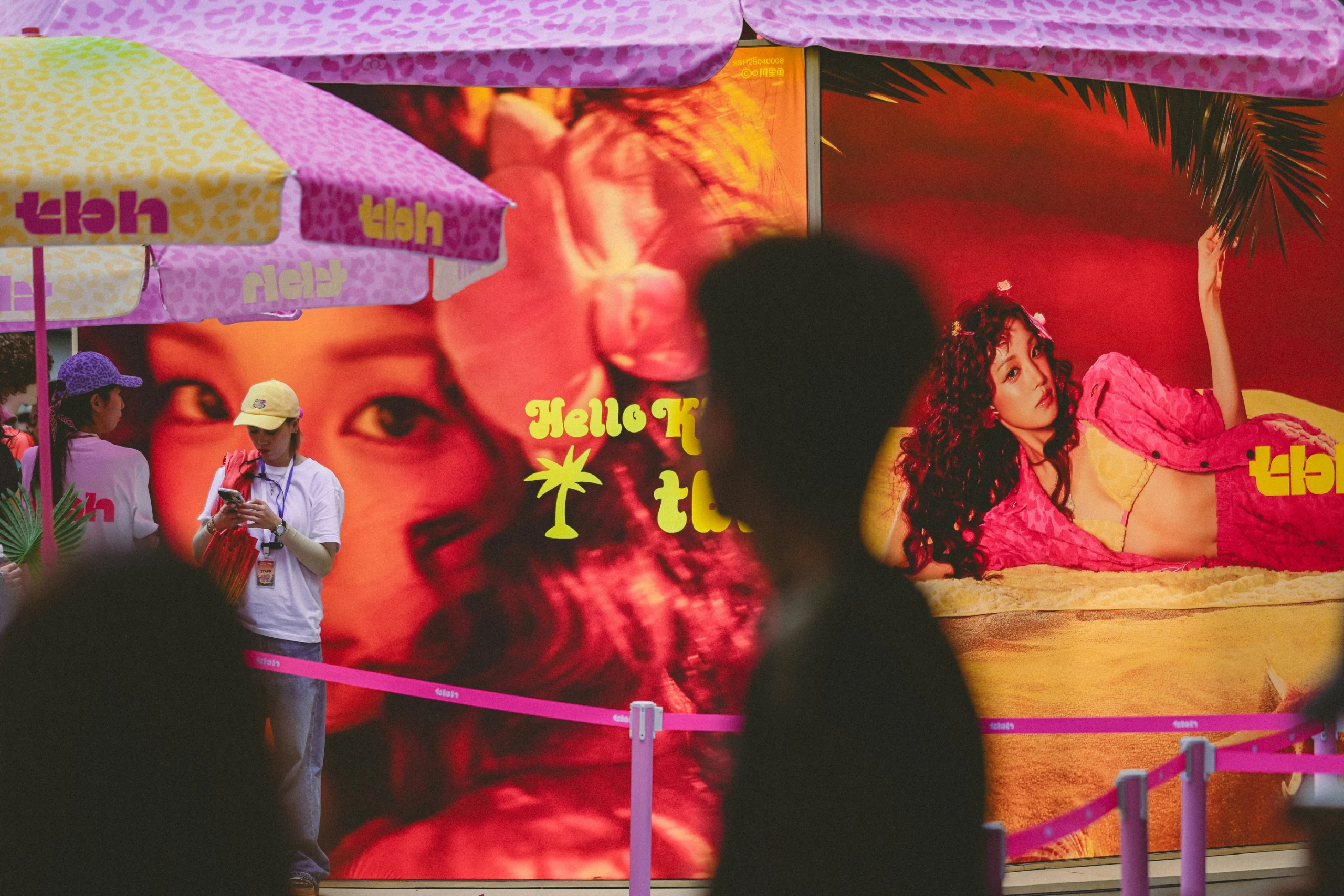
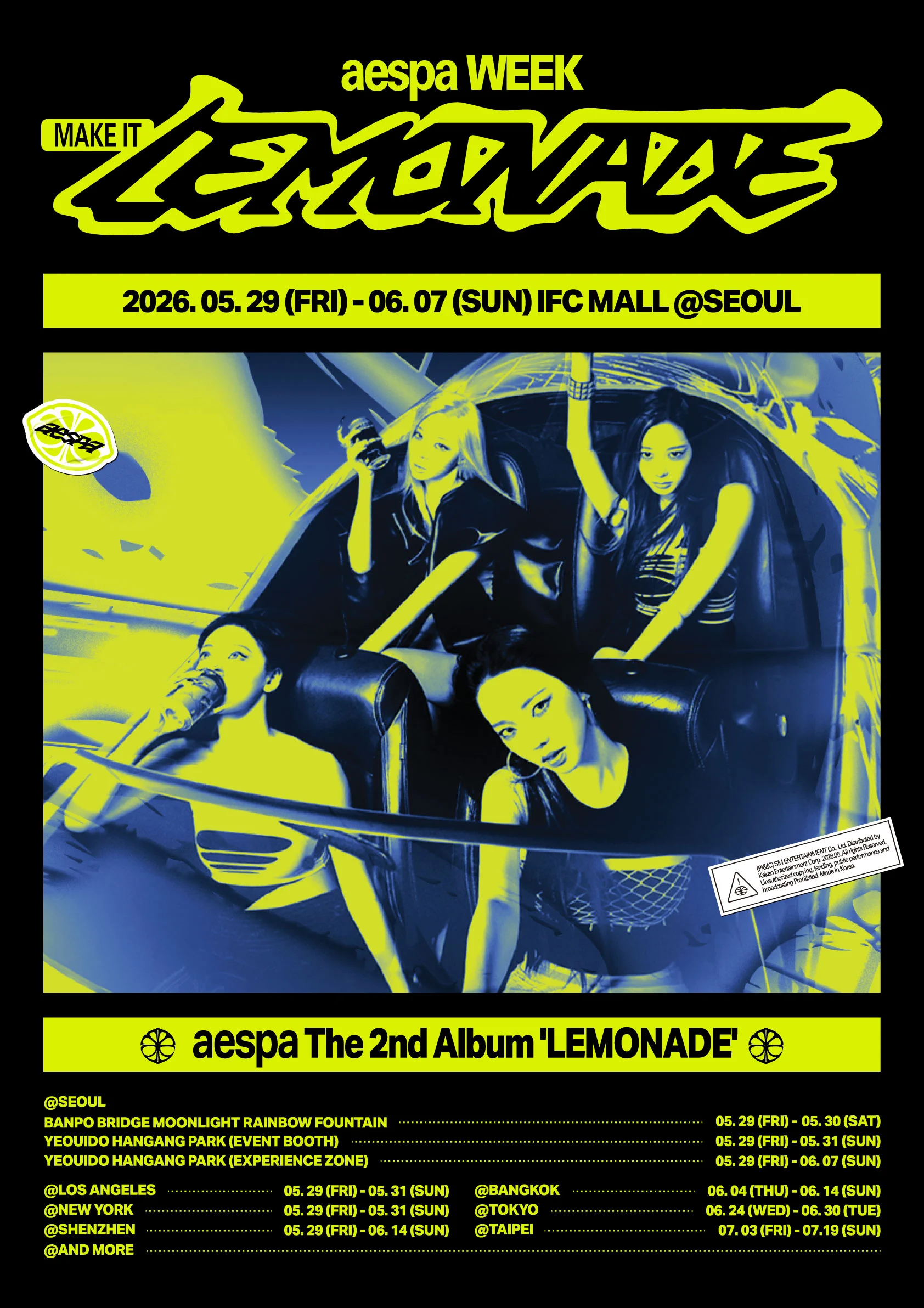
Albums are usually promoted through television or outdoor advertising to make them known to the public. But aespa’s LEMONADE pop-up makes the word “promotion” feel a little awkward. In 2026, alongside its LEMONADE activities, aespa presented a pop-up at IFC Mall in Yeouido, Seoul. The space brought together a range of content using the album’s imagery and graphics, inviting visitors to experience a place rather than simply telling them about the album. Before listening, visitors first encounter the colors and images associated with the music. As they explore the space and take photos, the pop-up becomes more than a promotional venue: it becomes content in its own right. The photos and videos visitors leave behind, in turn, become images that show the album online. It is an experience of seeing the music even before hearing it. Promotion, then, is not simply about conveying information. It creates a structure in which people experience the world of an album before listening to the music itself, and that experience spreads through them.
What We Remember Before the Name
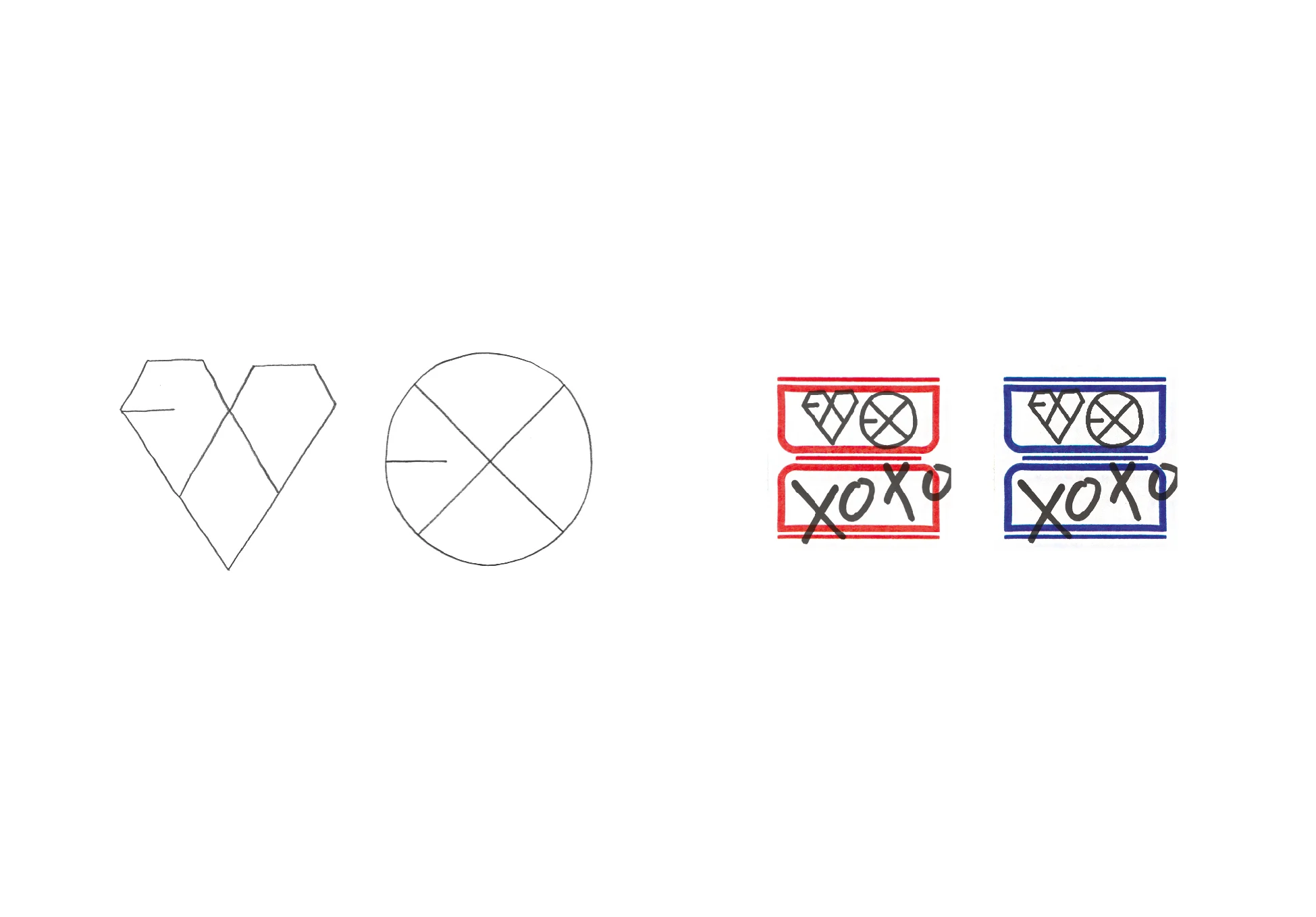
EXO’s logo is simple at first glance. It uses a hexagon as its foundation to render the letters E, X and O. Look more closely, and this simple shape does more than you might expect. Designed to express EXO’s identity while also adapting into other forms, such as a circle or a heart, it can take on new looks to suit different concepts. iF Design also describes the logo’s defining quality as its simplicity and its flexibility across a range of concepts. A logo like this can stand in for a name. Whether it appears small on an album cover or large on a stage or merchandise, it brings the same group to mind. Even as concepts change over time, the logo remains. So a logo is not simply a way to make a group’s name look attractive. It becomes a visual memory that binds an artist’s many facets into a single identity.
Designing Even the Wait for an Album
We go looking for KiiiKiii’s WhyKiiiKiii Tour, and a travel website appears before the album does. It asks us to enter our name and departure point, choose a ticket and set off on a trip with KiiiKiii as our destination. The site was unveiled as a comeback promotion for the group’s third mini-album, released in August 2026. Rather than stopping at a simple travel theme, it divides the 24 hours of a day into six tours and presents the album’s tracks as separate journeys. Visitors choose a time of day and a tour, then follow maps, guides and reviews to encounter the album’s songs along the way. In other words, instead of playing the music first to promote the album, the campaign first creates a situation that makes people curious about the music. As visitors explore the site and look for clues, they naturally grow curious about the tracks and begin waiting for the next teaser. They are already following the comeback before they have heard the album. This website, then, is less an information page than a promotional device that turns the wait for an album into content. Rather than playing the music first, it designs the process of making people want to hear it.
Designing music is not about adding something to sound. It is about discovering the identity and world of the music, then giving them a form that people can remember for longer and feel curious about. If we think beyond familiar formats and ask what new things this music could show us, and what it could leave in our memory, how far could music’s form change? Music begins with sound, but it does not have to end there. Perhaps we can even design the next form of music, one that has yet to be made.