How Should Travel Businesses Design Experiences in the Digital Age
Travel destinations on social media create trips that are meant to be seen, while real travel creates experiences that are meant to be lived.
Travel destinations on social media create trips that are meant to be seen, while real travel creates experiences that are meant to be lived. With just one click, we can virtually explore countless tourist attractions, restaurants, and trendy hot spots. Today, the journey no longer begins at the airport gate. It begins in bed, endlessly scrolling through a smartphone feed. The world on our screens looks perfect and beautiful: colorful and spotless alleyways, cozy cafés serving croissants overflowing with cream, and famous photo spots without a single piece of litter in sight. Travel on screen presents us with the ideal destinations we have always dreamed of and desired. For today’s tourism businesses, this is where the journey begins. Social media has become one of the smartest marketing tools for creating dreams and fantasies in the minds of consumers. Cities, destinations, and businesses around the world have begun packaging and presenting themselves to fit within that frame—to capture people’s desires and become the places they long to see.
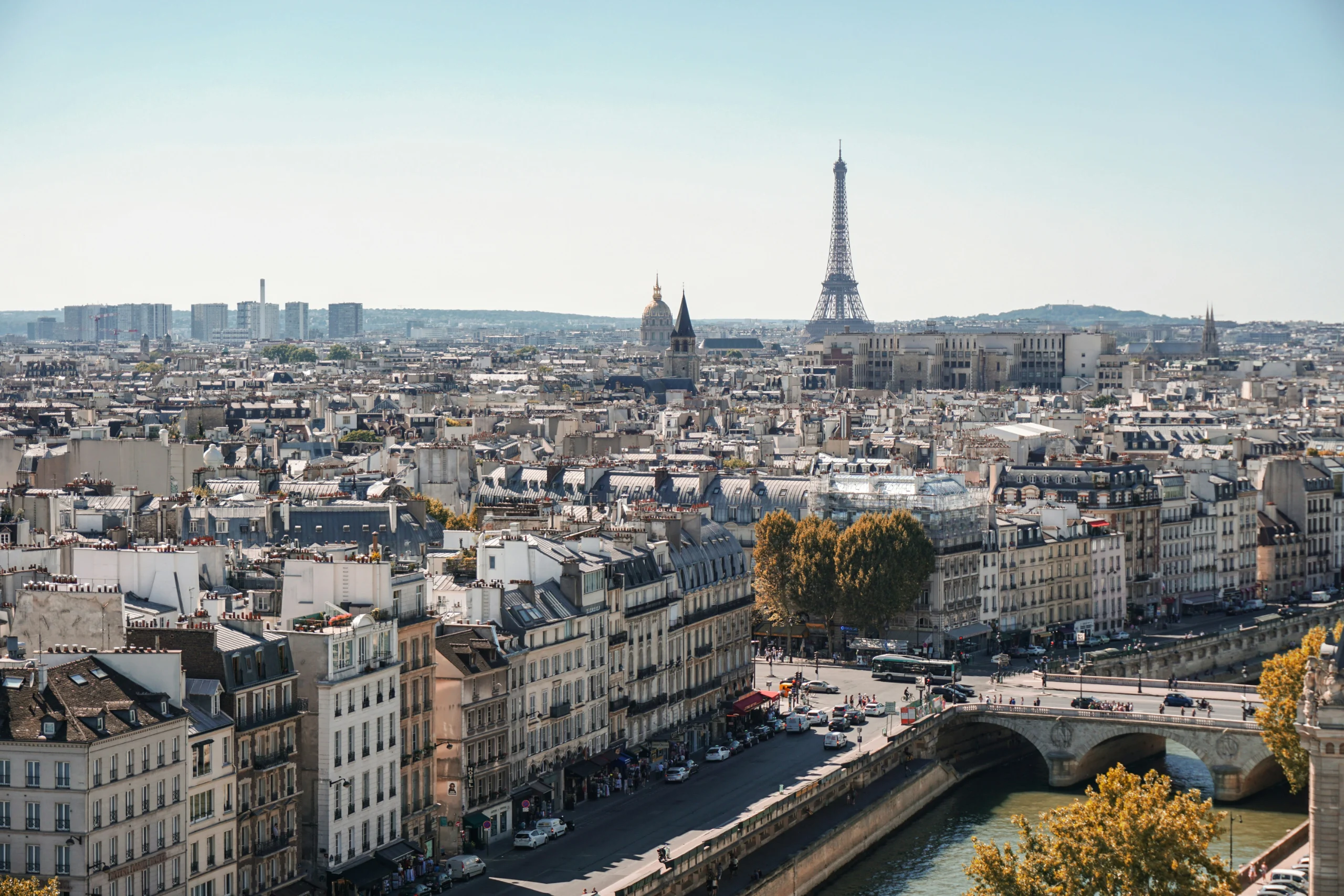
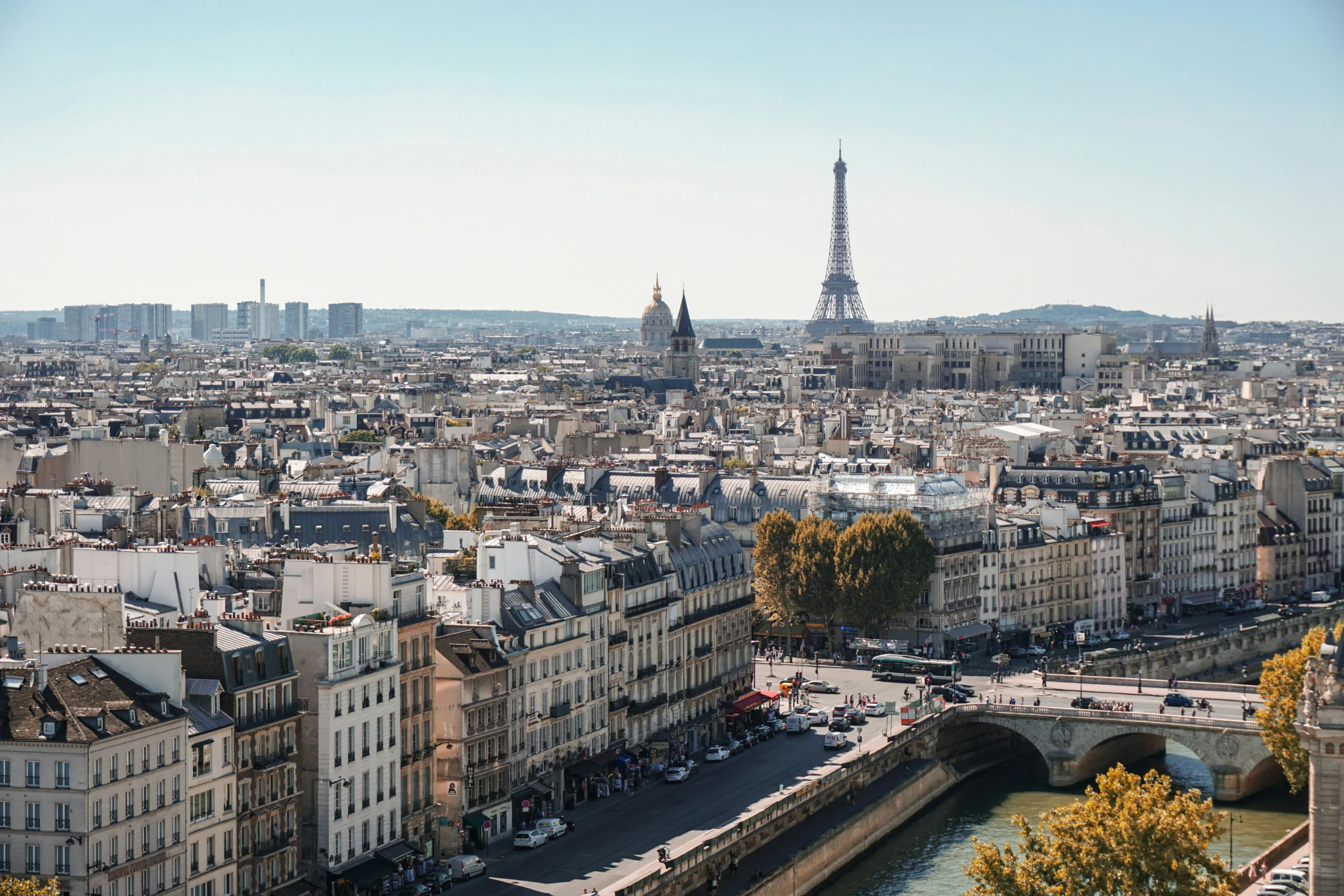
Have you ever heard of “Paris Syndrome”? The term was first used in 1991 by Hiroaki Ota, a Japanese psychiatrist who worked in Paris. Ota’s focus was on the group of Japanese travelers who traveled to Paris. He observed Japanese tourists who experienced breathing difficulties and severe psychological stress in Paris, explaining that their trip was drastically different from what they had imagined, followed by extreme psychological shock. Streets covered in animal feces, frequent pickpocketing, unfriendly service, and other negative aspects were realities that could hardly be imagined from the beautiful photographs we see on social media. The harsh reality stood in stark contrast to the fantasy of travelers who had dreamed of visiting Paris for years. Faced with a reality they had never anticipated, these travelers experienced significant psychological distress.
What is interesting is that this phenomenon does not simply mean that “Paris was not as good as expected.” At the core of Paris Syndrome lies a huge gap between expectations and reality. Because visiting a destination may be a lifelong bucket-list experience, the image we form of it becomes increasingly idealized. The more frequently that image is exposed to us, the higher our expectations become and the stronger the fantasy grows. Eventually, when travelers arrive at the actual destination and realize that it differs from what they imagined, they confront more than the city itself. They also become aware of the gap between their expectations and reality. And this is where social media plays an important role today.
Travel on social media creates a journey that is carefully designed around what is “seen.” The beautiful destinations we often see online are edited creations that capture and edit only one beautiful second from countless moments of an entire trip. The reality beyond the camera lens can be completely different. Waiting for two hours just to take an aesthetic photo, walking through crowded tourist attractions with barely enough room to move, or discovering that a shop is much smaller and more cramped than it appeared in a photograph—these are realities that can be dramatically different from the destinations shown on a screen. As the fantasy built by social media grows, the negative aspects of the reality that were hidden from view can leave travelers feeling deeply disillusioned and disappointed.
More importantly, consumers cannot simply look at these images as photographs. Social media does not merely provide information about a particular destination; it also shapes expectations. It makes people think, “If I visit this place, I will be able to take photos with this kind of atmosphere,” or “If I go to this café, my trip will become this perfect.” Ultimately, travelers are not only paying for their flights and accommodations; they are also purchasing the future experience they have dreamed about and found on social media. Therefore, the primary influence of SNS marketing lies in its ability to bring people to a destination. Businesses and destinations use beautiful photographs, short-form videos, and influencer content to spark curiosity and encourage people to visit. A single photograph can become the reason for someone on the other side of the world to travel. But this is also where a new business problem emerges: the greater the expectations, the higher the standards consumers set for the experience.
Businesses can make travelers feel deceived when social media presents an unrealistic image of a destination. For example, a peaceful café may be crowded, a clean alley may be filled with trash, or a spacious restaurant may turn out to be very small. The greater the fantasy created online, the stronger the disappointment and sense of betrayal when travelers encounter reality.
Ultimately, what matters in travel marketing is not simply bringing consumers to a destination. True marketing success is achieved when the expectations created on social media continue into the experience. Consumers are no longer purchasing a single photograph or short video. They are also anticipating their own future experience within the image. Therefore, the more businesses and destinations focus on their most beautiful moments they want consumers to see, the larger the gap between expectations and reality may become.
Future travel marketing should focus less on creating perfectly curated images and more on how authentically it can communicate real experience. Showing unexpected inconveniences, crowds, and even ordinary moments can help consumers adjust their expectations realistically and strengthen their trust in a brand. Ultimately, the most powerful marketing does not promise consumers “the most beautiful trip.” It is the ability to reduce the gap between what they expect after seeing a destination on social media and what they experience when they arrive. The satisfaction consumers feel after their trip is, after all, the true result of the marketing a brand has created.