


There’s so much music, why is it so hard to choose?
Streaming has shifted music’s value from ownership to access, and platforms’ competitive edge from the volume of content to the experience of choosing.
In the past, people bought and owned music. They bought CDs and downloaded tracks, paying for each song. Now, streaming services offer access to countless songs at once. As music has become abundant, what we find ourselves short of is the time and attention to choose what to listen to. This article explores how music consumption has changed and how platforms are responding.
The way people pay to listen to music has changed. After an era of buying CDs and downloads, people now pay a monthly subscription to access countless songs.
The more music there is, the harder it is to choose.
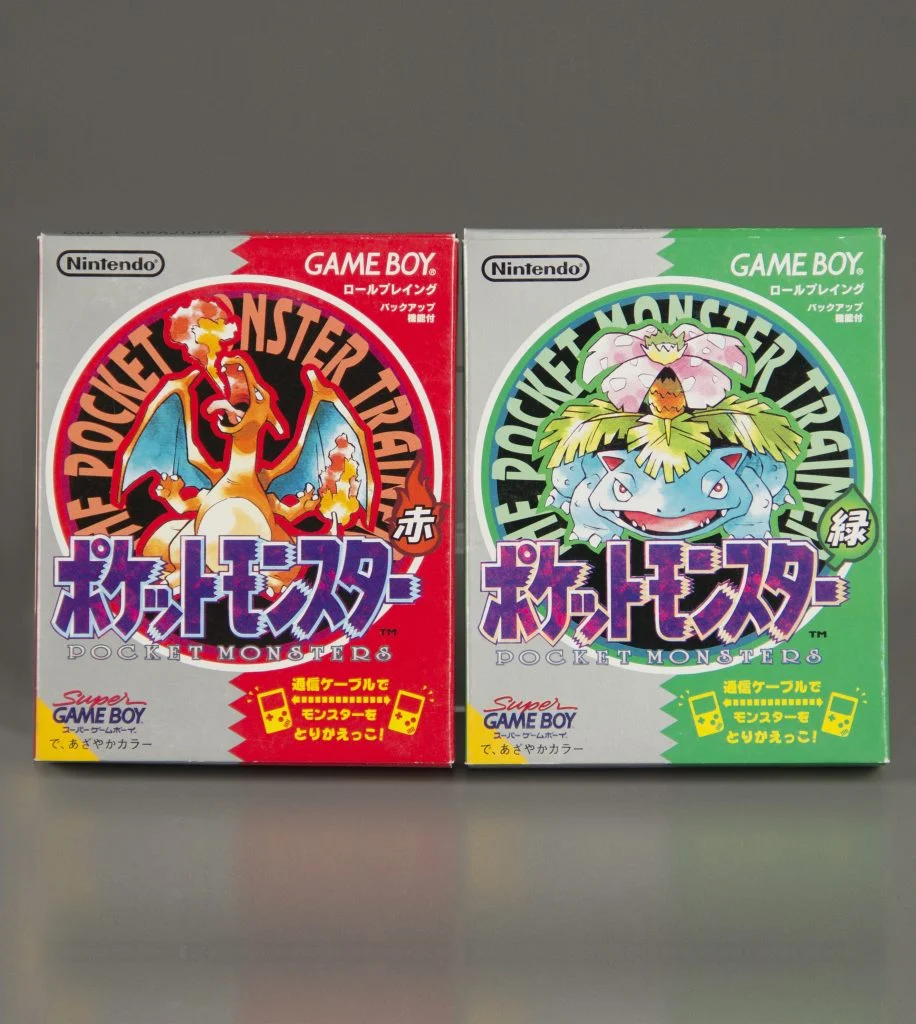
In the era of buying CDs and downloads, music itself was a product. People decided which album to buy and which songs to download, then owned that music. Streaming changed this model. Rather than buying songs one by one, listeners pay a set fee and access the music they want. Instead of paying the price of a single song, they pay for the right to listen to countless songs at any time. As the model shifted from paying for each song to accessing countless songs for a monthly subscription, the value platforms needed to create changed as well.
With a streaming service, countless songs are available to play instantly. The problem is no longer that it is hard to find the track you want, as it once was; it is that choosing what to listen to has become difficult. Even when you are looking for music to match your mood today, countless songs and playlists are right in front of you. Since it is impossible to listen to them all, the time and attention spent choosing music ultimately matter. In the streaming era, music has become so abundant that time and room to choose have grown scarce. This has created a new challenge for the music industry. The question has shifted from “How can we offer more music?” to “What will people choose to listen to among all this music?”
Platforms began helping listeners decide what to hear.
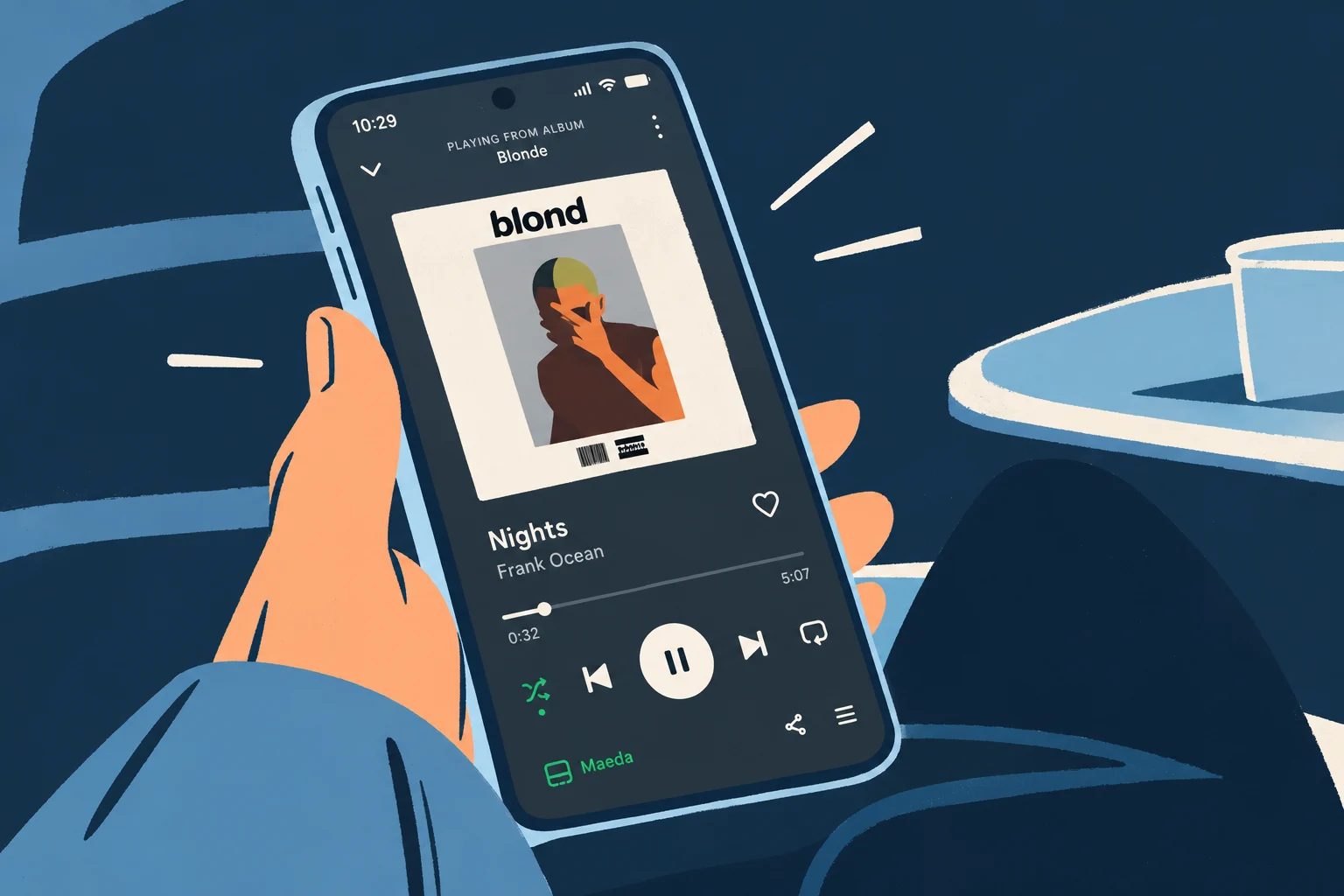
Spotify is a leading streaming platform that embodies this shift. It has gone beyond simply offering a large catalog of music, making the process of choosing what to listen to next part of its service, based on listeners’ listening data. Personalized recommendations and Discover Weekly help listeners discover new music without having to search through countless songs themselves. The year-end Wrapped feature also turns listeners’ annual listening histories into personalized content. What matters is that these features are more than mere conveniences. Spotify offers not only a vast catalog of music, but also something close to the process of deciding what to listen to from among it. In other words, streaming platforms’ competitive edge has shifted from the volume of content to their ability to help people choose.
Offering a large amount of music is no longer enough.
Look again at the business model of music streaming: free users see ads, while some users pay a subscription fee. But what matters in this structure is not the difference between free and paid tiers. The better a platform understands users’ tastes and behavior, and the longer it can keep them using the service, the more opportunities it has both to show them ads and to convert them to paid subscriptions. Music, then, is content that brings people to a platform, but it can also provide a basis for understanding their behavior, such as what they listen to and what they skip. Platforms can then use the listening experience they have built up to refine recommendations and personalization.
Has music really become free? The price of music has not disappeared; only what we pay for has changed. Streaming has turned music from a product to own into a service available at any time. As music has grown abundant, the process of deciding what to listen to has itself become part of the value platforms must create. In an age of overflowing content, simply offering more is not enough. The task is to design an experience that makes it easy to choose among countless options and keeps that choice going. This is the new competitive edge streaming has revealed.