
A Solo Journey with Three Books
Three Inner Mirrors to Meet on a Solo Journey
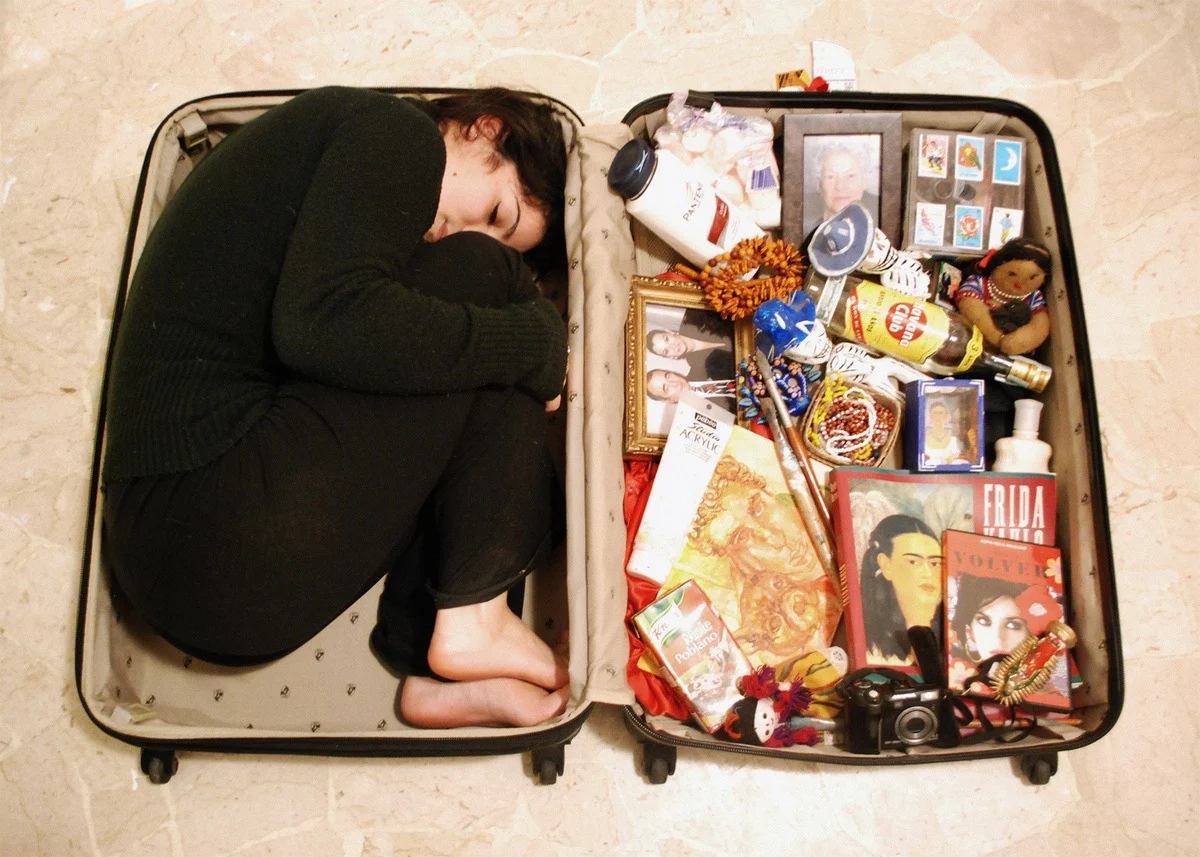
The moment we open our suitcase for a new journey, we find ourselves faced with a choice: what to pack and what to leave behind within the limits of a fixed weight. Much like deciding what matters most in our lives, the process calls for careful thought. Choosing to make room for a book in an already heavy suitcase is more than simply passing the time. It is a quiet promise to look inward and discover our true tastes in a space completely removed from the noise and gaze of others. On this journey, leave the expectations of others behind and fill your suitcase with sentences that speak to your own inner self.
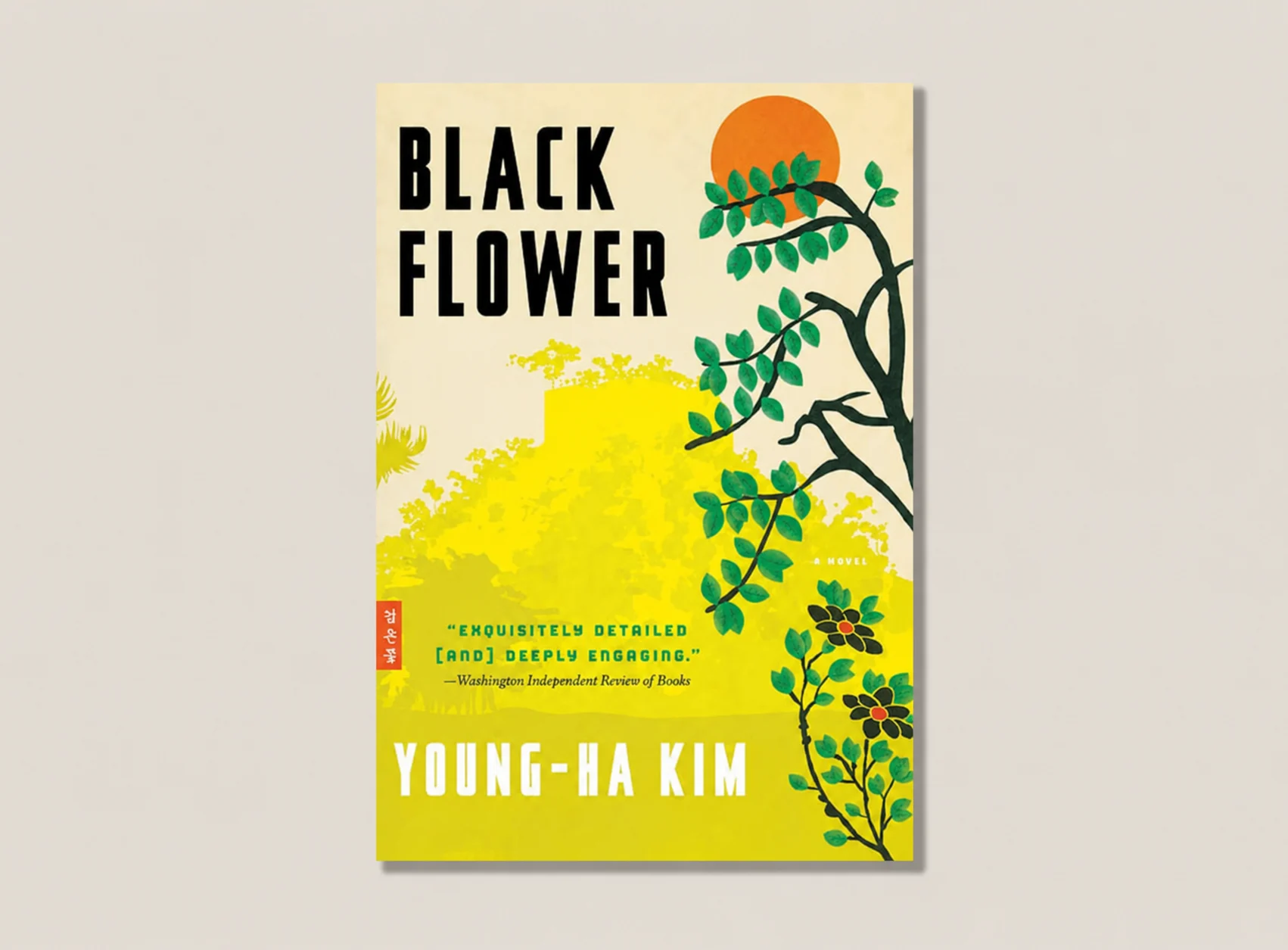
For those who leave behind their comfort zone to encounter a new world and take on adventurous challenges, Kim Young-ha’s Black Flower asks us to reflect on the meaning of migration and courage. The novel becomes a steady emotional anchor for anyone who must accept and adapt to a new culture, new people, and unfamiliar food while alone in a foreign place. It tells the brutal story of those who left Korea in 1905 and were cast into an entirely new country: Mexico. The moment travelers pull this book from their bags, the unfamiliar landscapes before them are redefined—not as mere tourist destinations, but as vast spaces of challenge. It becomes a weighty signpost, prompting them to consider what deeper parts of themselves this new world might reveal, and what traces it may leave behind.
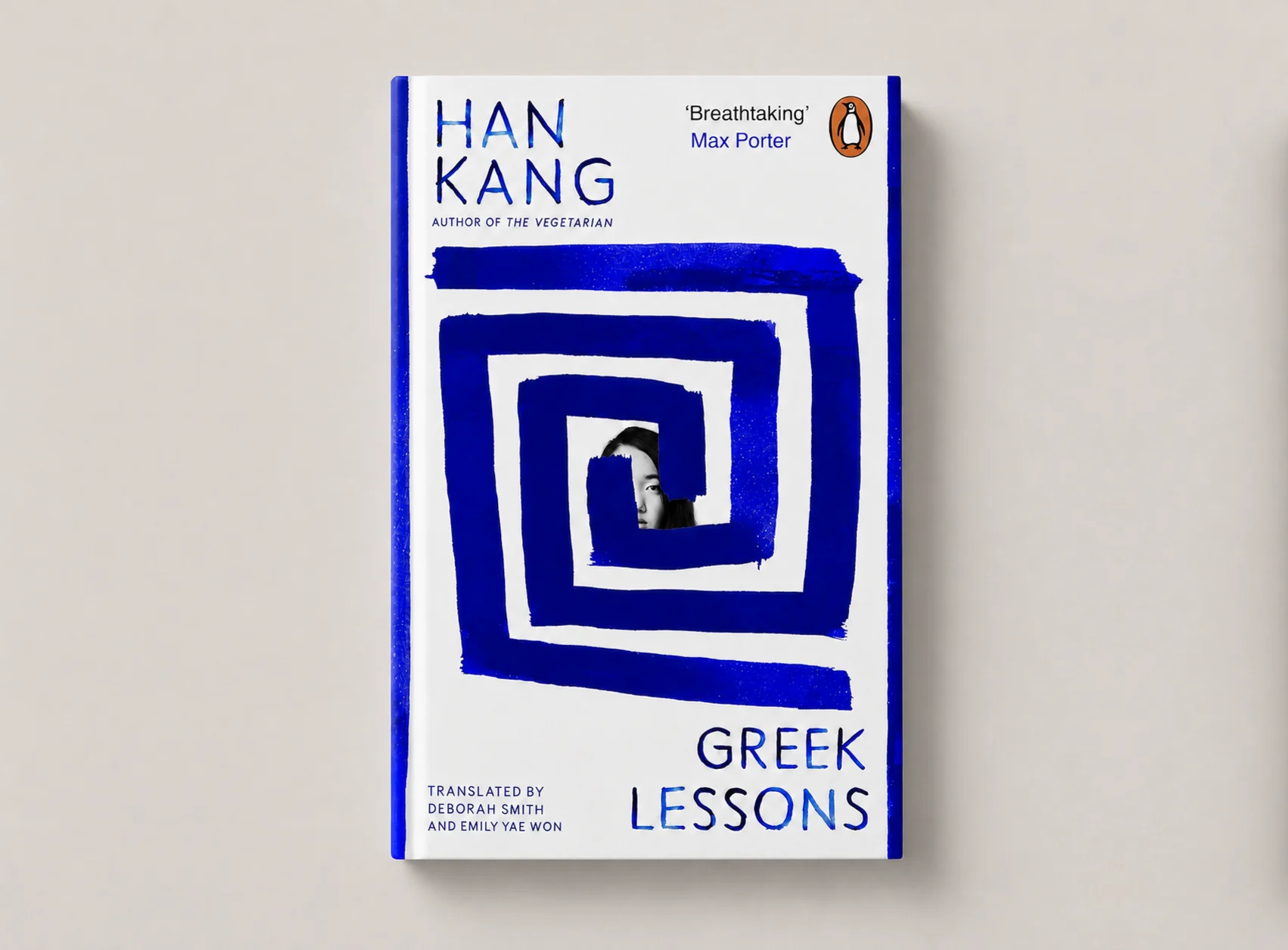
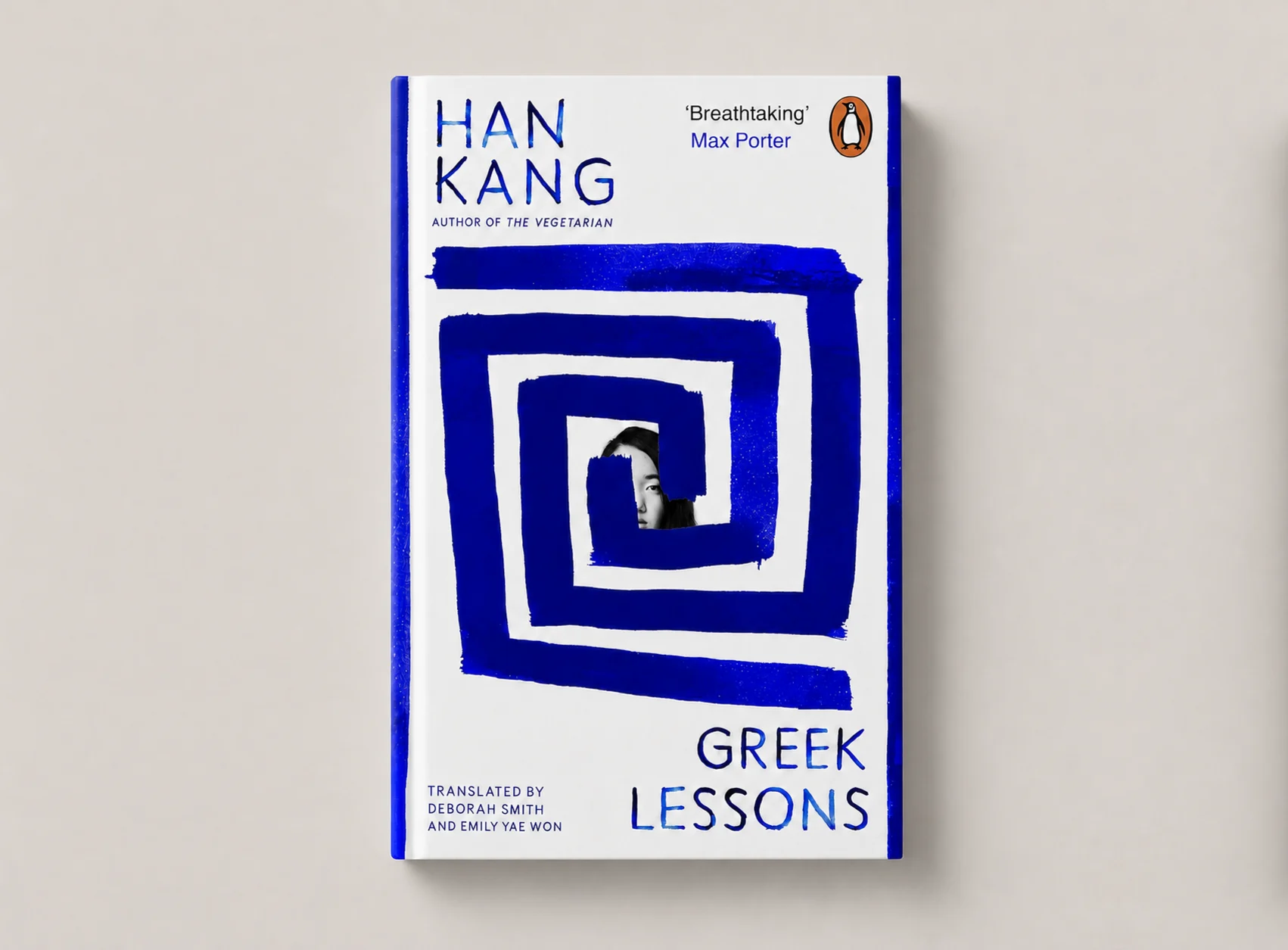
In a place where the language is different and communication seems impossible, travelers often become humans without words. Yet true communication can begin precisely when there is a language barrier. Han Kang’s Greek Lessons follows a woman who is losing her ability to speak and a man who is losing his sight, as they come to understand one another through a form of communication only the two of them can share—and move toward a deeper connection. When we briefly turn away from a world filled with dazzling sights and overwhelming noise, our inner selves and senses finally begin to awaken. As you sit alone and allow the sentences of this book to sink in, you may experience a quiet, essential conversation—not one performed for others, but one shared solely with yourself.
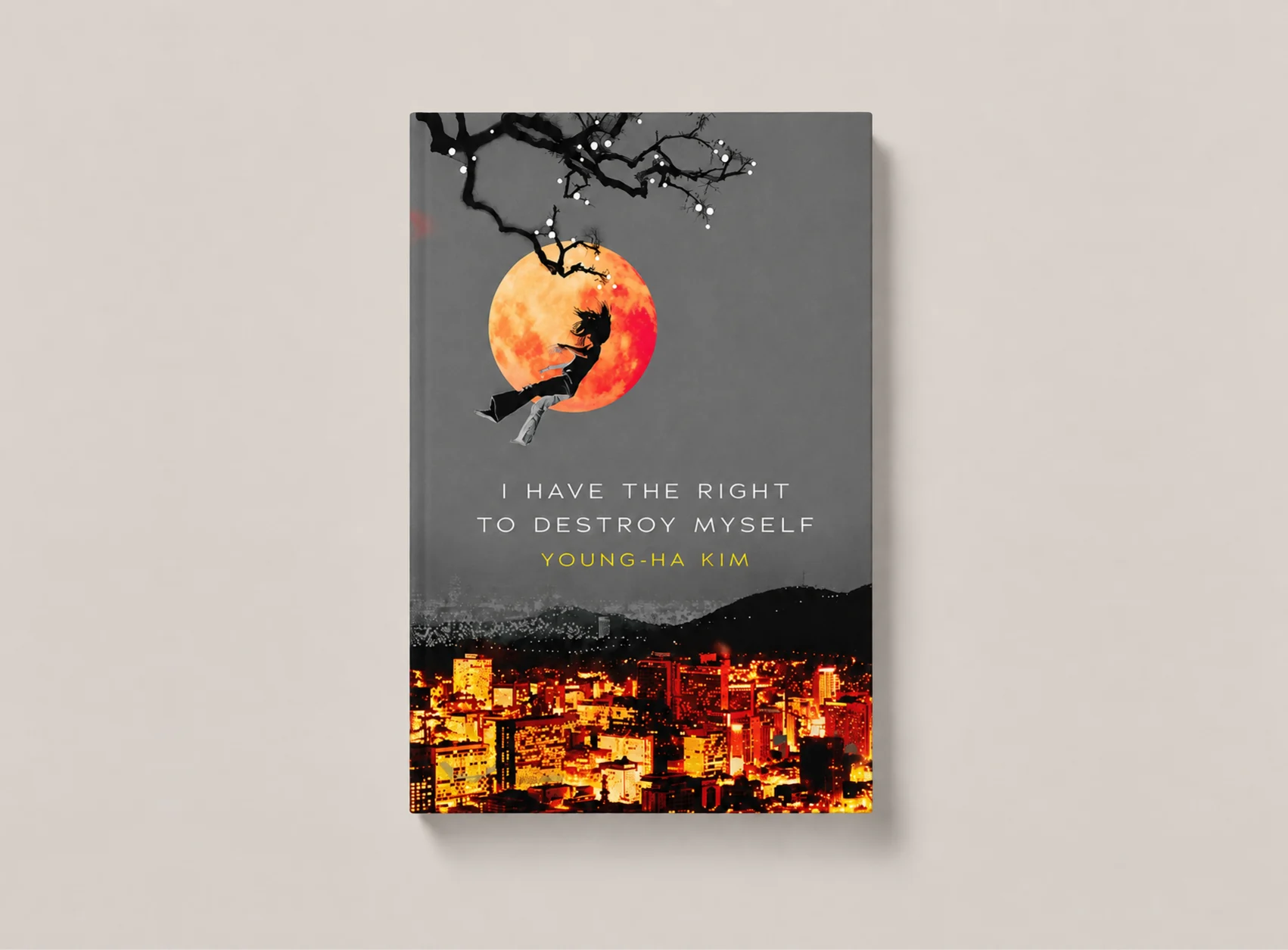
The greatest gift of traveling alone is the uninterrupted solitude of time spent free from the gaze of others. Kim Young-ha’s I Have the Right to Destroy Myself explores the profound loneliness and emptiness of modern life, as well as the boundaries between life and death. In a destination where you are left alone, temporarily set apart from the small relationships of everyday life, this book becomes a mirror. Once you let go of other people’s expectations and the pressures of society, standing entirely on your own, it invites you to reconsider the meaning of your existence and whether the countless decisions you have made were truly made for yourself.
Ultimately, travel is not simply about visiting new places; it is a process of discovering yourself along the way. The three books in your bag offer new perspectives on unfamiliar landscapes and situations, making the journey deeper and more meaningful. May this solo journey become a time to step beyond the standards of others and discover your authentic tastes and inner voice.