DESIGN|APRIL 2026 Pompidou Seoul is reborn by carving out the existing structure of the 63 Building
본문
Pompidou Seoul: The Architecture of Light
WIRTER Yve
Scheduled to open in June 2026, Pompidou Seoul is designed as a “museum of light.” Hanwha has reshaped the existing structure of the 63 Building by carving out its mass and turning it into a “box of light.” The project is set to become a new cultural landmark in Seoul and a hub for arts and culture across Asia. At the same time, it reflects how Seoul is evolving into a platform where cultural standards are not only shared, but expanded. We take a closer look at the cultural space of the newly emerging Pompidou Seoul.
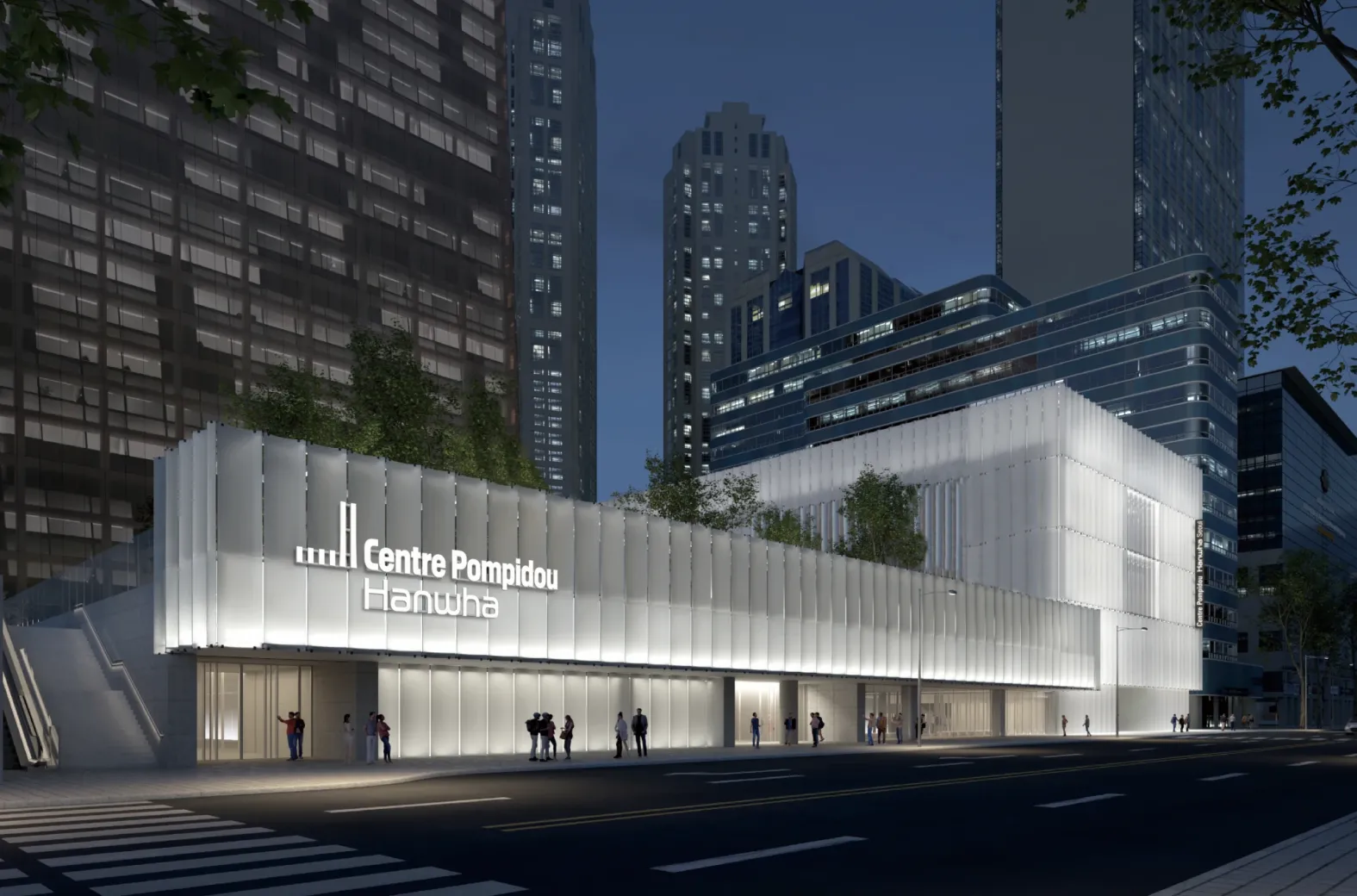
Image: Wilmotte & Associes Architectes
1. From Structure to Light
The project begins with removal rather than addition. The existing structure of the 63 Building is partially carved out, allowing light to become the primary architectural element. During the day, natural light flows through the glass façade and fills the interior. At night, the building reverses its role, casting light back into the city.
2. A “Box of Light” in Motion
The idea of a “box of light” is not fixed. It changes continuously depending on time, season, and the movement of visitors. Light becomes a medium that reshapes space, creating an environment where architecture, art, and people interact with one another.
3. Jean-Michel Wilmotte’s Approach
The project is designed by Jean-Michel Wilmotte, a French architect known for exploring the relationship between light, material, and space. His work focuses on connecting the city, art, and people through a balanced composition. In Seoul, this approach is translated into a spatial experience that bridges the city’s dynamic energy with the artistic legacy of the Pompidou Center. By introducing a horizontal flow, the design allows visitors and the city to connect seamlessly, creating an open and continuous experience. This also creates a deliberate contrast with the vertical structure of the 63 Building.
4. Horizontal Light, Vertical City
Rather than competing with the height of the tower, the museum wraps around it as a horizontal “band of light.” This creates a new rhythm in Yeouido, where vertical density and horizontal continuity.
5. Central Hall
At the heart of the building, a central void draws natural light deep into the space. It visually connects different levels and gently guides the movement of visitors, becoming a key spatial element that defines the overall experience of the museum.
As Pompidou Seoul approaches its opening, it positions itself as more than a museum. Using light as its language and transforming architecture into experience, it is set to become a new cultural hub in Seoul. Through this, Seoul is evolving into a city that defines new cultural standards.
- PrevRestaurants to Book When Visiting Korea — AP Recommended List April, 2026
- NextAsia’s Emerging Business Hub: Why Korea Deserves a Strategic Look March, 2026